 ultimate-guide
Why Quality Apparel Is Worth the Investment
Table of Contents
- Why Quality Apparel Is Worth the Investment
- Durability and Longevity: How Investment Pieces Outlast Fast Fashion
- How to Identify High-Quality Fabrics Before You Buy
- Cost-Per-Wear Calculation: The Real Financial Picture
- Material Quality and Construction Techniques That Matter
- How to Care for Premium Clothing and Extend Its Lifespan
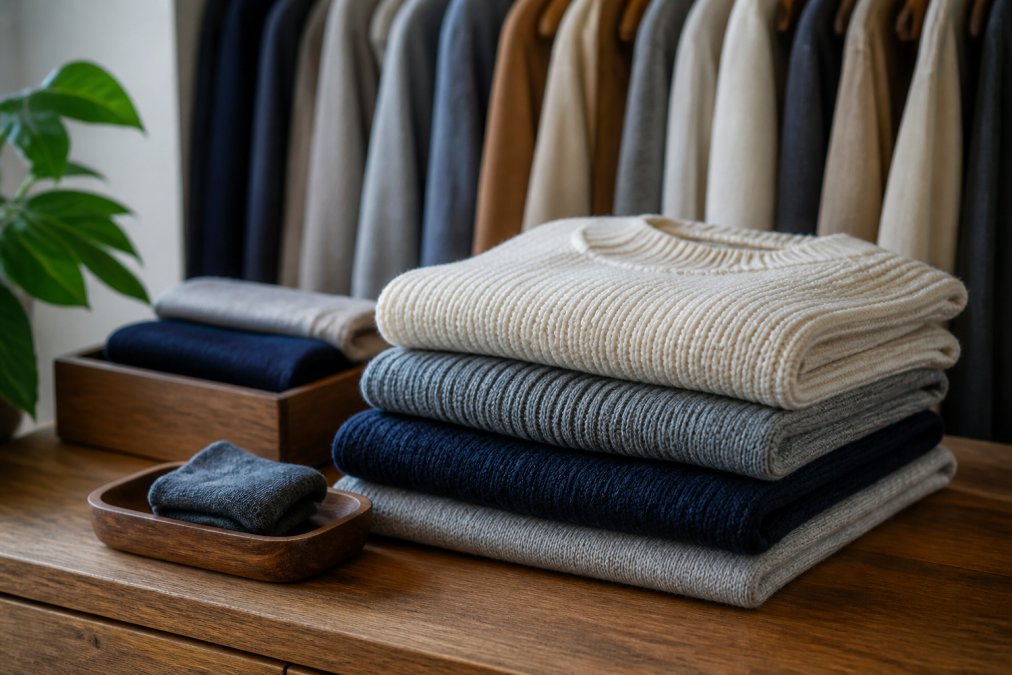
- Building a Capsule Wardrobe with Timeless Pieces
- Environmental Impact and the Circular Economy
Why Quality Apparel Is Worth the Investment
When you buy a t-shirt for £8, you expect it to last a season. When you invest in quality apparel, you're buying garments that outlast trends, maintain their shape through dozens of washes, and improve with age. Quality apparel is an investment because it costs less per wear than fast fashion, reduces decision fatigue, and changes how you think about getting dressed.
At Baaaad Flockers, we've spent over 30 years designing apparel that proves this point. Our hand-drawn designs don't crack after a few washes because we use construction techniques and fabric quality that actually hold up. The real question isn't whether quality apparel costs more upfront, it does. The question is whether you're willing to calculate what you actually pay per wear.
Durability and Longevity: How Investment Pieces Outlast Fast Fashion
A quality garment can last 10-15 years (peer-reviewed research). A fast fashion piece typically lasts one season before seams split, prints crack, or fabric pills. Investment pieces outlast fast fashion because of construction techniques and material choices.
High-quality apparel uses stitch density that's double or triple what budget alternatives have. Seams are reinforced at stress points and hems are properly finished. Natural fibres like cotton, wool, and linen improve with wear and washing, while synthetic materials break down faster under repeated washing, losing elasticity within weeks.
Quality apparel also retains its shape. A quality t-shirt holds its fit through 50 washes, often due to strong fabric construction and fibre blends. A budget t-shirt stretches out after five. This is why investment pieces feel better the longer you own them.
How to Identify High-Quality Fabrics Before You Buy
Learn to spot the difference between materials that will last and those that won't before you spend money.
Start with the fibre content label. Natural fibres, cotton, wool, linen, silk, generally age better than synthetics. A shirt that's 95% cotton and 5% elastane will hold its shape better than 100% cotton, as elastane provides recovery after stretching.
Feel the fabric weight. Quality apparel uses heavier-weight fabrics. A premium cotton t-shirt typically weighs 180-200 grams per square metre versus 130-150 grams for budget versions (International Organization for Standardization). Look at the weave pattern by holding fabric up to light. If light passes through easily, the weave is loose. If the fabric blocks light, the weave is dense and will last longer.
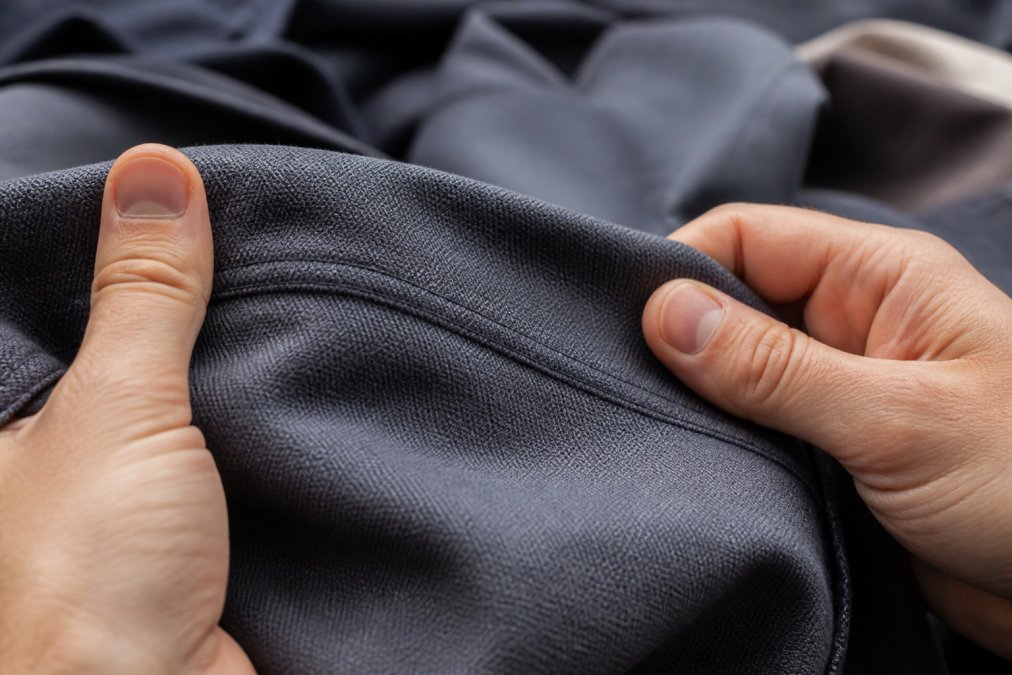
Check the seams. Quality construction uses flat-felled seams (folded and stitched twice) or French seams (completely enclosed). Budget apparel uses simple single-stitch seams that fray and weaken over time. Quality prints are cured at high temperatures, creating durability. If the print feels plastic-like or stiff, it will crack after a few washes.
Cost-Per-Wear Calculation: The Real Financial Picture
Most people focus on the price tag and ignore the actual cost of ownership. Divide the price of the garment by the number of times you wear it before it's no longer wearable. A quality t-shirt worn 200 times costs less per wear than a fast fashion t-shirt worn 20 times before the print cracks. The quality piece is often half the cost per wear.
Most people underestimate how many times they'll wear a quality piece. A basic t-shirt that fits well gets worn far more often than one that doesn't. Quality apparel tends to be more versatile, which multiplies the number of wears significantly.
If you buy five cheap t-shirts per year, you're spending more annually than if you buy one quality t-shirt that will still be wearable in five years. Over a decade, the fast fashion approach costs significantly more than the quality approach, and you have fewer usable t-shirts at the end.
| Garment Type | Price | Expected Wears | Cost Per Wear |
|---|---|---|---|
| Budget T-shirt | See website | 20 | See website |
| Quality T-shirt | See website | 200 | See website |
| Budget Jeans | See website | 40 | See website |
| Quality Jeans | See website | 300 | See website |
Material Quality and Construction Techniques That Matter
The difference between a garment that lasts five years and one that lasts fifteen comes down to material selection and assembly.
Premium materials start with fibre selection. Long-staple cotton creates fabric that's softer and more durable than short-staple cotton. Merino wool resists odour and holds its shape better than standard wool. Linen gets softer with every wash. Quality apparel uses construction methods that reinforce stress points: underarm seams are double-stitched, hems are finished with felled seams, and collar areas are reinforced.
Stitch density directly correlates with durability. Quality apparel uses 8-10 stitches per inch. Budget apparel uses 4-6. Quality garments have finished hems on all edges and seams are trimmed and sometimes bound. Thread quality also matters, quality apparel uses polyester or cotton thread dyed to match the fabric.
At Baaaad Flockers, our designs use construction techniques that ensure the print stays vibrant and doesn't crack. Our hand-drawn artwork is applied using methods that bond the ink to the fabric. This is why customers report that our pieces look the same after many washes as they did when they arrived.
How to Care for Premium Clothing and Extend Its Lifespan
Owning quality apparel is only half the equation. How you care for it determines whether it lasts five years or fifteen.
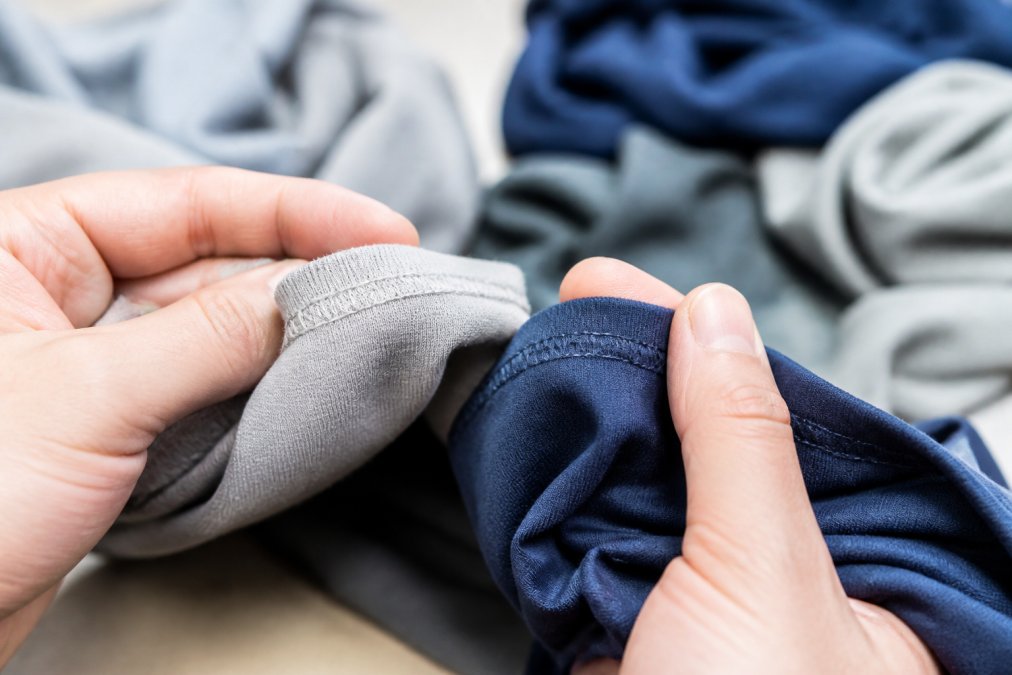
Wash in cold water on a gentle cycle and turn garments inside out to protect the outside surface. Use gentle, plant-based detergents instead of standard detergents with optical brighteners and harsh chemicals. Avoid fabric softener, which coats fibres and speeds up breakdown.
Air dry whenever possible. Hang garments on a line or lay them flat. If you must use a machine dryer, use the lowest heat setting. Fold heavy items like sweaters and jeans rather than hanging them. Store in a cool, dry place away from direct sunlight. Cedar blocks or lavender sachets naturally repel moths.
Repairs extend the life of quality apparel dramatically. A small hole caught early can be patched invisibly. A loose seam can be re-stitched. A broken zip can be replaced. Quality apparel is worth repairing because the base garment is solid.
Building a Capsule Wardrobe with Timeless Pieces
Quality apparel only makes financial sense if you actually wear it. A capsule wardrobe is a collection of versatile, timeless pieces that work together, reducing the number of items you need while maximizing outfit combinations.
Buy fewer pieces that are higher quality, more versatile, and genuinely timeless. Instead of twenty cheap t-shirts, buy five quality ones in neutral colours. Instead of eight pairs of jeans in different washes, buy two in classic styles that never go out of fashion.
Identify the core pieces you actually wear. Most people wear 20% of their wardrobe 80% of the time. Those are the ones worth investing in. A well-fitting pair of jeans in a classic cut is worth the investment because you'll wear it hundreds of times.
Stick to a neutral base, black, navy, white, grey, beige, and add depth with one or two accent colours. This creates cohesion and means every piece works with almost every other piece. Quality apparel is the foundation of a capsule wardrobe because timeless pieces are only timeless if they're well-made.
Environmental Impact and the Circular Economy
The environmental cost of fast fashion is staggering. The textile industry produces massive waste, consumes enormous resources, and generates significant carbon footprint. Quality apparel reduces this impact dramatically because it's worn longer and discarded less frequently.
A garment that lasts fifteen years instead of one season reduces environmental impact by roughly 93%. Manufacturing is where most environmental damage happens, so wearing each piece longer is the single most effective way to reduce your fashion impact.
Quality pieces remain desirable and can be resold, traded, or passed on when you're done with them. A piece worn for fifteen years and then passed on has been worn for thirty years total. The environmental impact per wear drops even further.
Natural fibres also have environmental advantages over synthetics. Cotton, wool, and linen are biodegradable and don't shed microplastics when washed. Synthetic materials shed microplastics that end up in waterways and harm aquatic ecosystems. Choosing quality apparel is choosing to participate in a more sustainable fashion system.
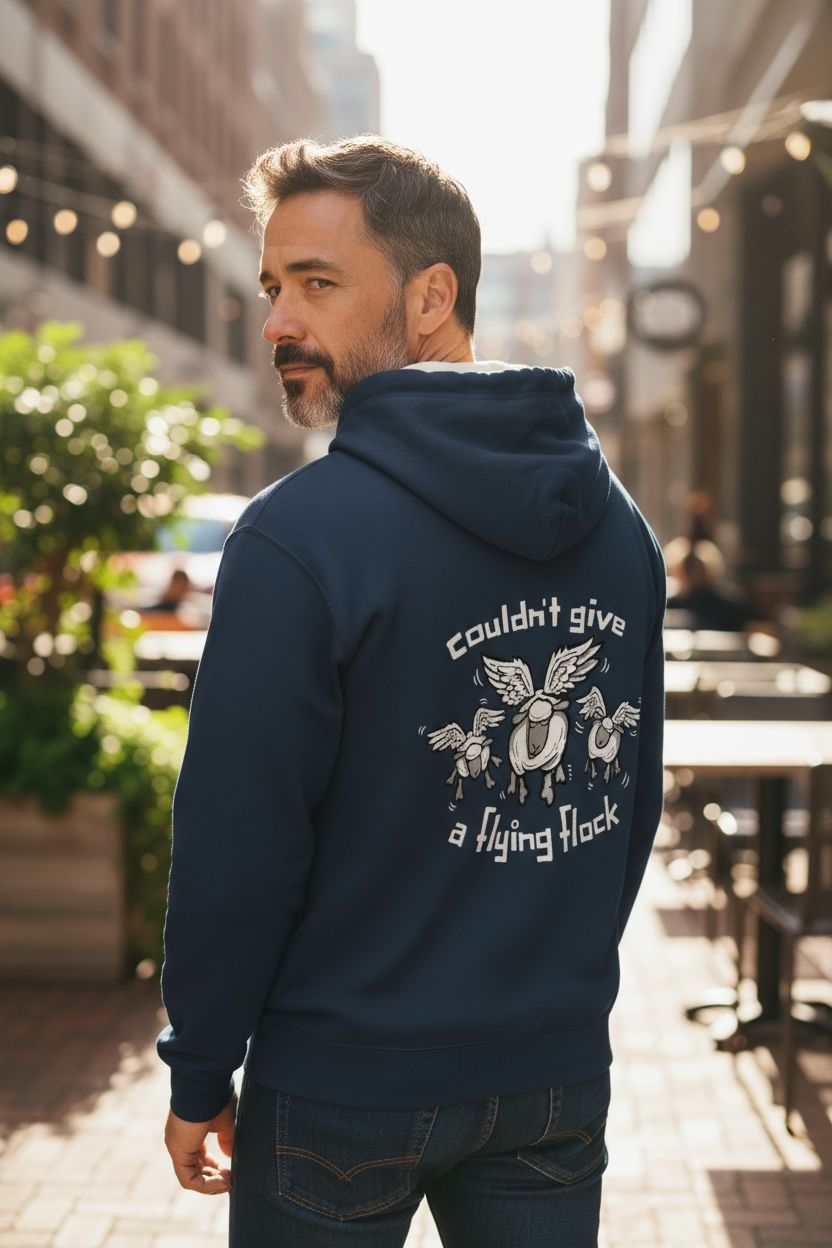
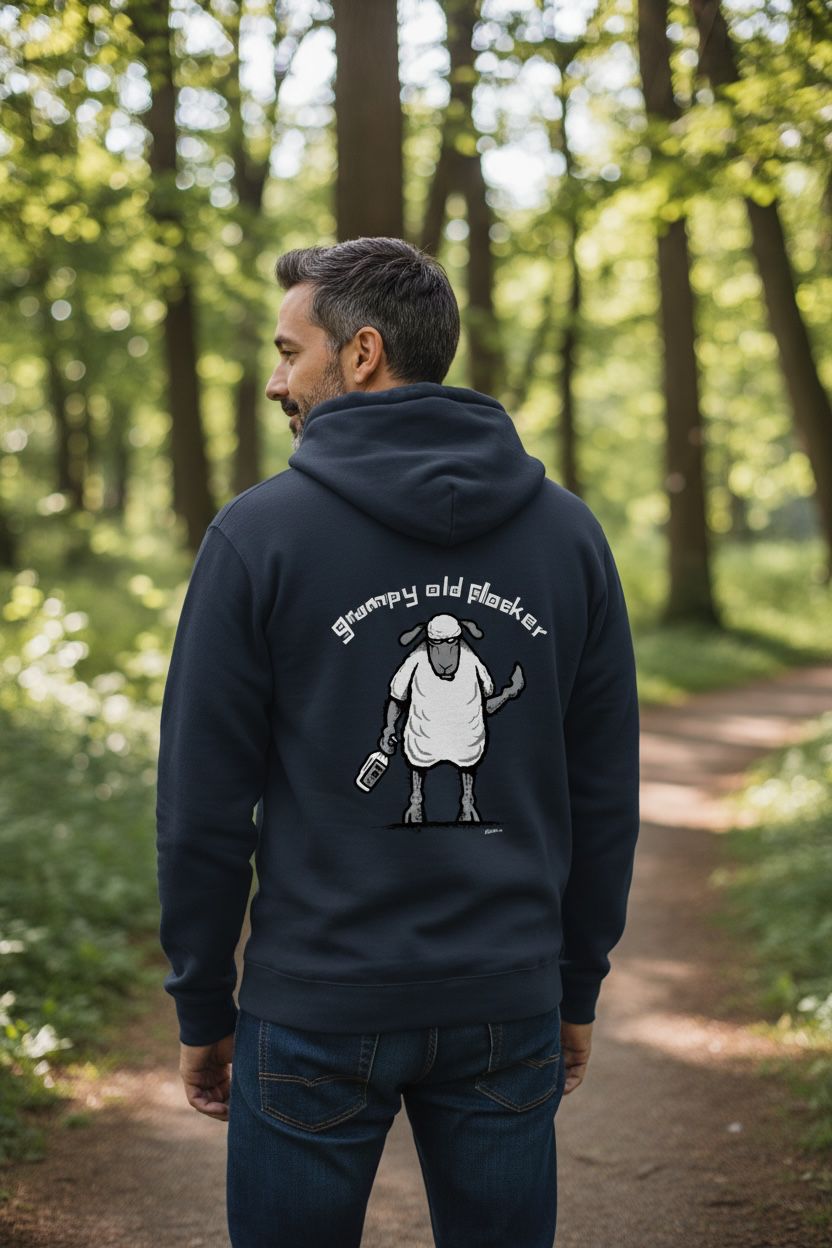
Quality apparel requires a different mindset about getting dressed. Instead of treating clothes as disposable, you're investing in pieces that will be part of your life for years. Baaaad Flockers brand know how to make you laugh! We design pieces built to last, with original hand-drawn artwork that stays vibrant through many washes and construction quality that means your favourite pieces actually improve with age. Explore our rugged hoodies like the Couldn't Give A Flying Flock Rugged Hoodie and the Grumpy Old Flocker Full Zipped Hoodie, pieces designed to be worn, loved, and worn some more.
Frequently Asked Questions
Q: How do I calculate cost-per-wear for quality apparel?
A: Divide the garment's price by the number of times you'll wear it. Quality apparel with higher upfront costs can become cheaper over time when durability extends its wearable life to years rather than months. For current pricing, please visit our website.
Q: What are the key signs of high-quality fabric when shopping?
A: Look for natural fibres like cotton, wool, and linen, which age well and breathe better than synthetics. Check stitch density, closer, straighter stitches indicate quality construction. Feel the weight; substantial fabric resists pilling and thinning. Examine seams for reinforcement and even tension. Quality apparel typically has finished hems and secure buttons sewn with multiple stitches.
Q: Will quality clothing really hold up better than cheaper alternatives?
A: Yes. Premium garments use superior fabric quality, tighter construction, and better-quality dyes that resist fading. Customers report that quality pieces maintain their shape, colour, and print integrity through repeated washing, whilst fast fashion items can shrink, fade, and develop holes within months. The investment pieces in your wardrobe become reliable everyday staples rather than disposable items.
Q: How should I care for premium clothing to make it last longer?
A: Wash inside-out in cold water with similar colours to protect prints and prevent fading. Use gentle detergent and avoid fabric softener, which breaks down fibres. Air-dry whenever possible; tumble dryers shorten garment life significantly. Store folded or hung properly to prevent stretching and creasing. Address stains immediately and consider professional cleaning for wool and delicate pieces. Proper care for premium clothing extends its lifespan by years.
This article was written using GrandRanker