 ultimate-guide
Why Fast Fashion Is Bad for the Environment
Table of Contents
- Why Fast Fashion Is Bad for the Environment
- Fast Fashion and Climate Change: The Carbon Cost
- Fast Fashion Water Pollution and Resource Depletion
- Textile Waste and Fast Fashion: The Disposal Crisis
- Microplastics from Synthetic Clothing: A Hidden Threat
- Overproduction and the Throwaway Culture
- How to Reduce Your Fashion Footprint
- Frequently Asked Questions
Last Updated: October 17, 2026
Why Fast Fashion Is Bad for the Environment
Fast fashion has transformed how we buy clothes: we purchase more garments than ever, wear them fewer times, and discard them at alarming rates. From carbon emissions to water pollution to mountains of textile waste, why fast fashion is bad for the environment extends far beyond the high street, touching every ecosystem on the planet.
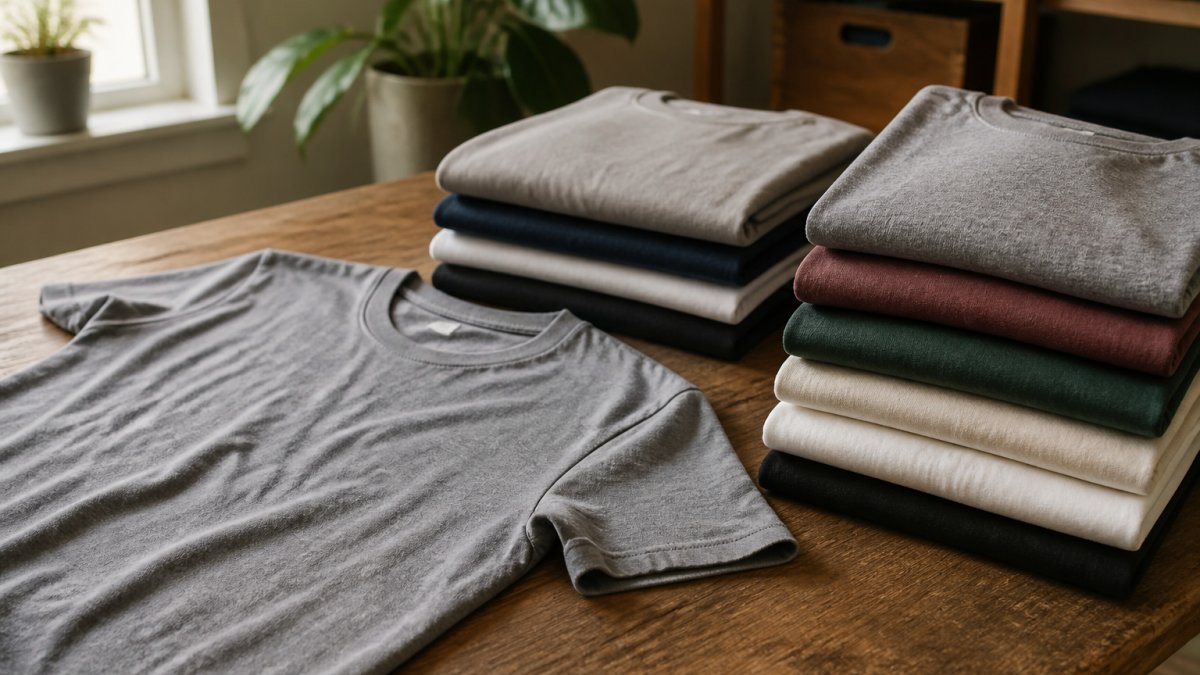
At Baaaad Flockers, we believe quality matters. We've designed our pieces to last, with fabrics that hold up and designs that don't fade after a season, a direct contrast to fast fashion's core model: produce cheaply, sell quickly, replace constantly. Understanding that damage explains why investing in better-made clothing makes sense for both your wardrobe and the world.
This guide breaks down the real environmental impacts of fast fashion, from climate change to microplastic pollution, and shows you practical ways to reduce your fashion footprint.
Fast Fashion and Climate Change: The Carbon Cost
The fashion industry generates significant greenhouse gas emissions at every stage. Manufacturing requires energy-intensive processes, from spinning fibres to dyeing and sewing, and clothes travel thousands of miles from factories to shops to your home. At disposal, garments in landfills decompose and release methane, a potent greenhouse gas.
Polyester and other synthetics rely heavily on fossil fuels, while cotton demands energy-intensive pesticides and fertilisers. The sheer volume of fast fashion multiplies these emissions across billions of garments annually.
What makes this particularly troubling is the short lifespan of fast-fashion items. A garment worn five times generates far more emissions per wear than a quality piece worn fifty times, because manufacturing, shipping, and disposal costs are spread across so few uses.
Fast Fashion Water Pollution and Resource Depletion
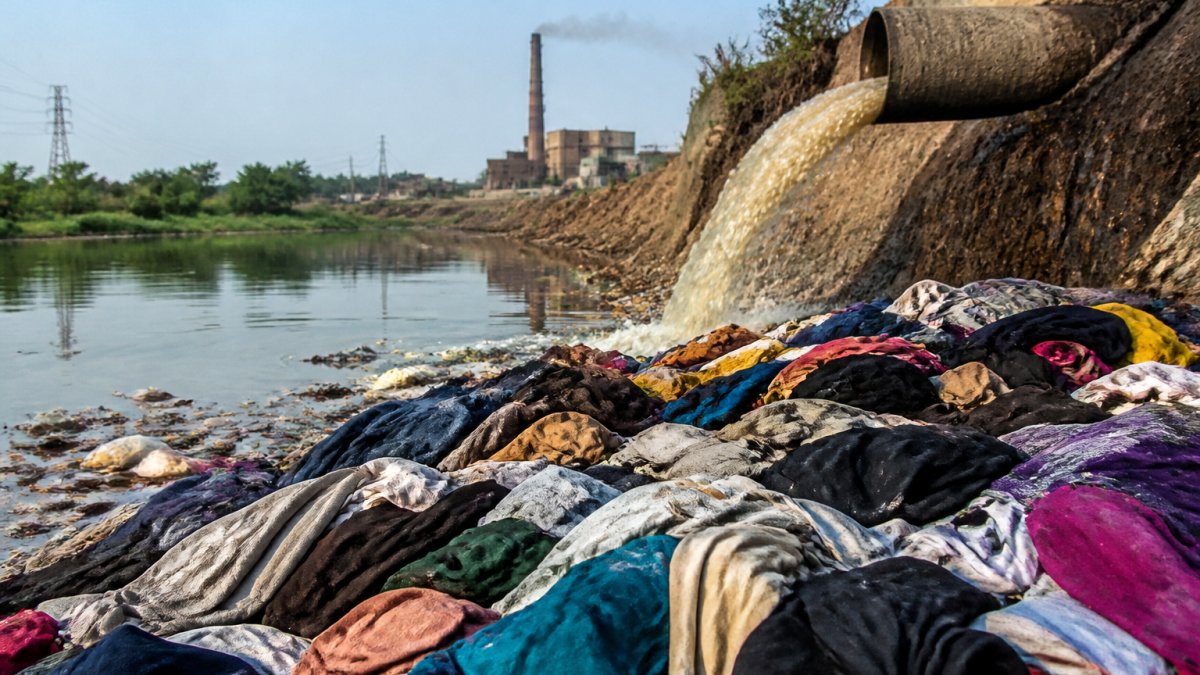
Textile production consumes vast quantities of water. Cotton demands enormous irrigation in regions already facing water stress, and dyeing and finishing require millions of litres of fresh water daily, much of which returns to rivers and groundwater contaminated with toxic chemicals.
The dyes and chemical finishes used in garment production don't disappear. They leach into local water supplies, poisoning drinking water and damaging aquatic ecosystems, and workers in textile-producing regions often have no choice but to use contaminated water for drinking, cooking, and washing.
Fast fashion's relentless demand for new materials also drives resource extraction: mining for metals in buttons, zips, and dyes degrades soil, and deforestation for cotton plantations eliminates habitats. The pressure to produce more, cheaper, and faster means environmental corners get cut constantly.
Textile Waste and Fast Fashion: The Disposal Crisis
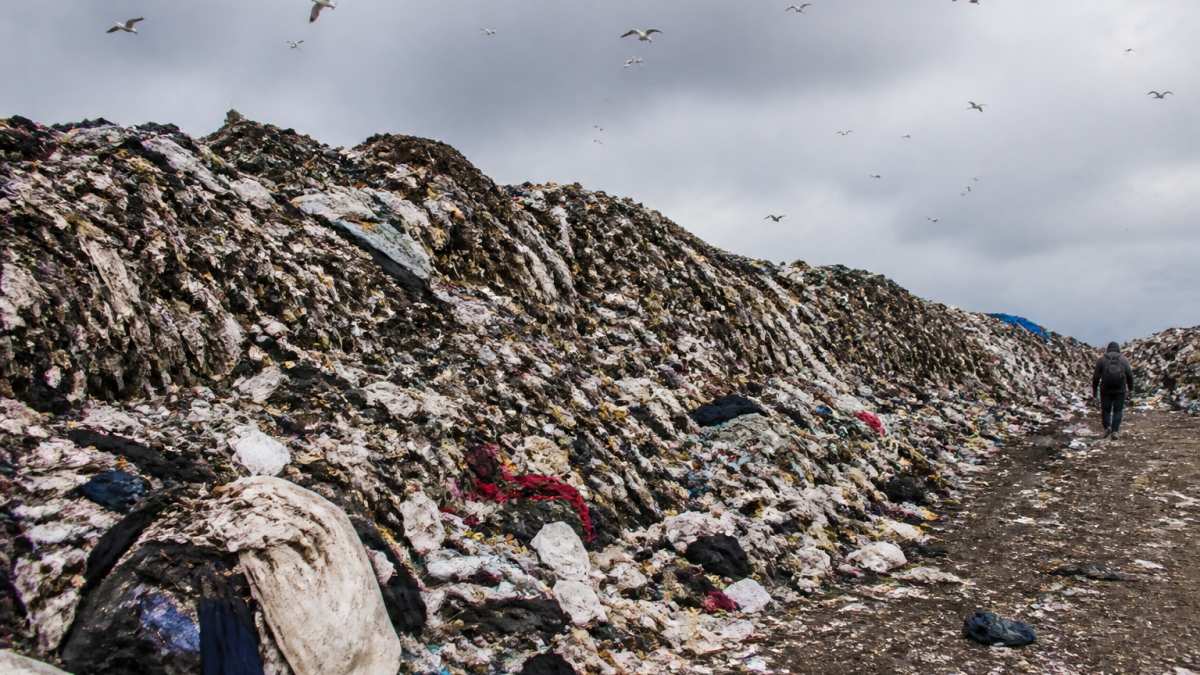
The average person in developed countries now discards roughly 30 kilograms of clothing per year. Most ends up in landfills, where synthetic fibres take decades to decompose; some is incinerated, releasing carbon and toxic fumes; a tiny fraction is recycled, itself an energy- and water-intensive process.
Fast fashion's business model encourages waste at every level. Retailers overproduce, unsold inventory gets destroyed rather than stored, and consumers buy impulsively and discard guilt-free because items cost so little.
What's often overlooked is that textile waste in landfills leaches chemicals into soil and groundwater. Dyes, finishes, and treatments persist for years, and the sheer volume of discarded clothing has created a global waste crisis that landfills and incinerators cannot manage sustainably.
Microplastics from Synthetic Clothing: A Hidden Threat
Every time you wash synthetic clothing, polyester, acrylic, nylon, elastane blends, tiny plastic fibres called microfibres shed into the wash water. A single load can release hundreds of thousands of fibres, and a garment keeps shedding throughout its useful life (ncbi.nlm.nih.gov).
What makes microfibres different from other microplastics is their shape: long, thin filaments, closer to a thread than a bead, easy for aquatic organisms to ingest and hard for wastewater treatment to capture. Most treatment works remove larger solids, so microfibres pass through in significant numbers into rivers, estuaries, and coastal waters, entering the marine food web, they have been recorded in seafood, sea salt, and drinking water.
The mechanism matters because it changes where you look for solutions: the problem is not just production or disposal but the use phase, which most environmental guides skip. Three factors drive how much a garment sheds:
- Fibre type and construction. Loosely spun, low-twist synthetics and fleece-style fabrics shed more than tightly woven, higher-twist fabrics. Blends can shed differently again because the fibres behave differently under abrasion.
- Washing conditions. Longer cycles, higher temperatures, and aggressive agitation increase abrasion and fibre loss. Gentle, shorter, cooler cycles reduce it.
- Garment age and quality. New garments often shed more in early washes, but cheaply constructed items that pill and break down quickly can shed heavily throughout a short life.
On interventions, the evidence is uneven. Washing less often, using full loads, choosing cooler and shorter cycles, and using a microfibre filter or laundry bag all reduce fibres reaching wastewater, and front-loaders are gentler than agitators. But no filter captures everything, captured fibres still go to landfill, so be wary of claims that a product 'solves' microfibre pollution; these measures reduce release, not eliminate it.
There is also a design-side angle that rarely makes it into consumer guides. Because shedding is a function of fibre choice and fabric construction, brands that specify tighter yarns, better finishing, and fewer low-quality synthetic blends can reduce it at source, a supply-chain decision where policy pressure, from extended producer responsibility to textile-design rules, is beginning to focus.
Microfibre pollution is a use-phase problem as much as a manufacturing one. A garment that sheds heavily in the wash carries an environmental cost every time it is worn and cleaned, which is why durability and fabric construction matter alongside fibre choice.
You do not have to eliminate synthetics to reduce microfibre release. Wash less often, wash cooler and shorter, use a filter or laundry bag where you can, and favour better-constructed garments that pill and break down more slowly. Those steps reduce release, they do not erase it, and any claim that they do should be treated with caution.
Overproduction and the Throwaway Culture
Fast fashion's entire model depends on constant overproduction. Retailers stock far more than they expect to sell, designers release new collections every few weeks to create artificial urgency, and marketing frames last season's barely-worn styles as outdated.
This system generates mountains of waste before garments ever reach consumers: factories produce excess stock, warehouses hold surplus inventory, and shops mark down and eventually destroy unsold items. The environmental cost of all that unworn clothing is baked into the model itself.
Consumer culture amplifies the problem. Social media and influencer marketing promote constant wardrobe refreshes, retail experiences engineer the satisfaction of buying new, and affordability removes the barrier to impulse purchases. The result is a society that treats clothing as disposable rather than durable.
How to Reduce Your Fashion Footprint
Most guides give you a flat list of tips, but the actions are not equal: some cut emissions and waste by a lot, others are marginal. The ranking below is ordered by rough impact, with trade-offs spelled out, so you can decide where to spend your effort.
1. Wear what you already own for longer, highest impact, lowest effort The single biggest lever is increasing wears per garment. Manufacturing, shipping, and disposal impacts are fixed at purchase; every extra wear divides that footprint across more uses, so a garment worn fifty times carries roughly a tenth of the per-wear impact of one worn five times.
2. Buy less and buy better-constructed pieces, high impact Buying fewer new garments cuts demand for production, where most emissions and water use sit, and better-constructed pieces extend life and reduce replacement frequency. The trade-off is upfront cost and the risk that 'quality' is asserted rather than demonstrated, look for construction details (stitching, fabric weight, fibre content) rather than marketing language.
3. Repair, alter, and care for clothes, high impact, moderate effort Repairing a zip, patching a seam, or re-hemming keeps a garment in use and avoids a new purchase, while cooler washing, air-drying, and proper storage slow wear. The limit is access: repair skills and services are unevenly available, and some low-quality garments are not worth repairing.
4. Buy secondhand, high impact where supply exists Secondhand purchases avoid new production and keep garments out of waste streams, but the benefit depends on what you would otherwise have bought: replacing a new purchase is a clear gain, buying secondhand as an extra purchase is not. Availability, sizing, and quality vary, and resale is no substitute for reducing overall consumption.
5. Choose lower-impact fibres and fabrics, moderate impact, context-dependent Fibre choice matters, but not in a simple 'natural good, synthetic bad' way. Cotton is water-intensive and pesticide-heavy unless organic; polyester is fossil-fuel-derived and sheds microfibres; wool and linen have their own land-use and processing impacts.
6. Reduce microfibre release in the wash, moderate impact, easy Washing less often, using cooler and shorter cycles, and using a microfibre filter or laundry bag reduce the number of fibres reaching wastewater. These measures reduce release rather than eliminate it, and captured fibres still need disposal.
7. Recycle textiles, low-to-moderate impact, with real limits Textile recycling keeps some material out of landfill, but most of it downcycles fabric into lower-grade uses, and sorting and processing use energy and water. It is better than disposal but no substitute for buying less, so be sceptical of 'recycled content' claims without traceable supply chains.
8. Support policy and transparency, indirect but systemic Individual choices shift demand at the margin; policy shifts the whole system. Extended producer responsibility for textiles, supply-chain disclosure requirements, and rules on textile waste make producers bear more of the cost of what they make.
| Action | Relative impact | Main trade-off or limit |
|---|---|---|
| Wear existing clothes longer | Highest | Limited by garment durability |
| Buy fewer, better-made pieces | High | Upfront cost; quality claims need checking |
| Repair and care for clothes | High | Skills and repair access vary |
| Buy secondhand instead of new | High | Supply, sizing, and fit constraints |
| Choose lower-impact fibres | Moderate | No fibre is impact-free; context matters |
| Reduce microfibre release in wash | Moderate | Reduces, does not eliminate, release |
| Recycle textiles | Low to moderate | Mostly downcycling; processing impacts |
| Support policy and transparency | Indirect, systemic | Slow; depends on collective action |
The most effective starting point is not a new purchase, it is wearing what you own more often and repairing what you can. Everything else on this list works better once that habit is in place.
Rank your efforts: wear longer first, buy less second, repair third, then secondhand, fibre choice, wash habits, recycling, and policy support. The order matters more than any single tip, and no single action substitutes for reducing overall consumption.
Frequently Asked Questions
How does fast fashion contribute to climate change?
Garment manufacturing and transportation generate significant greenhouse gas emissions. Synthetic fibres like polyester rely on fossil fuels for production, while the global supply chain involves energy-intensive processes from raw material extraction through processing, manufacturing, and delivery. These emissions accumulate across billions of garments produced annually, making the fashion industry a major contributor to carbon dioxide equivalent releases.
What makes fast fashion water pollution so serious?
Textile production consumes vast quantities of water, and the dyeing and chemical finishing processes release toxic chemicals and wastewater into local waterways. These pollutants damage ecosystems and contaminate drinking water supplies. The scale is staggering: producing a single garment can require thousands of litres of water, and much of this water returns to the environment polluted with dyes, heavy metals, and synthetic compounds.
Why is textile waste from fast fashion a growing problem?
Fast fashion encourages short garment lifecycles and overconsumption, leading to mountains of clothing in landfills and incineration facilities. Most discarded textiles are not recycled or reused; instead, they decompose slowly or release harmful emissions when burned. The volume of textile waste has grown exponentially as consumption patterns have accelerated, overwhelming waste management systems globally.
What can I do to reduce my fashion's environmental impact?
Buy fewer, higher-quality pieces designed to last. Choose natural fibres or recycled synthetics over virgin polyester. Wash clothes less frequently and in cold water to reduce microfibre shedding. Repair garments instead of discarding them. Shop secondhand or swap clothing with friends. When you do purchase new items, prioritise brands that demonstrate transparency about their supply chain and manufacturing practices.