 ultimate-guide
How Long Do High Quality T-Shirts Last
Table of Contents
- How Long Do High Quality T-Shirts Last: The Real Timeline
- Factors That Affect How Long Your T-Shirts Last
- How to Tell If a T-Shirt Is High Quality Before You Buy
- Best Fabrics for Long-Lasting T-Shirts
- How to Wash Graphic Tees Without Cracking the Print
- Signs Your T-Shirt Has Reached the End of Its Life
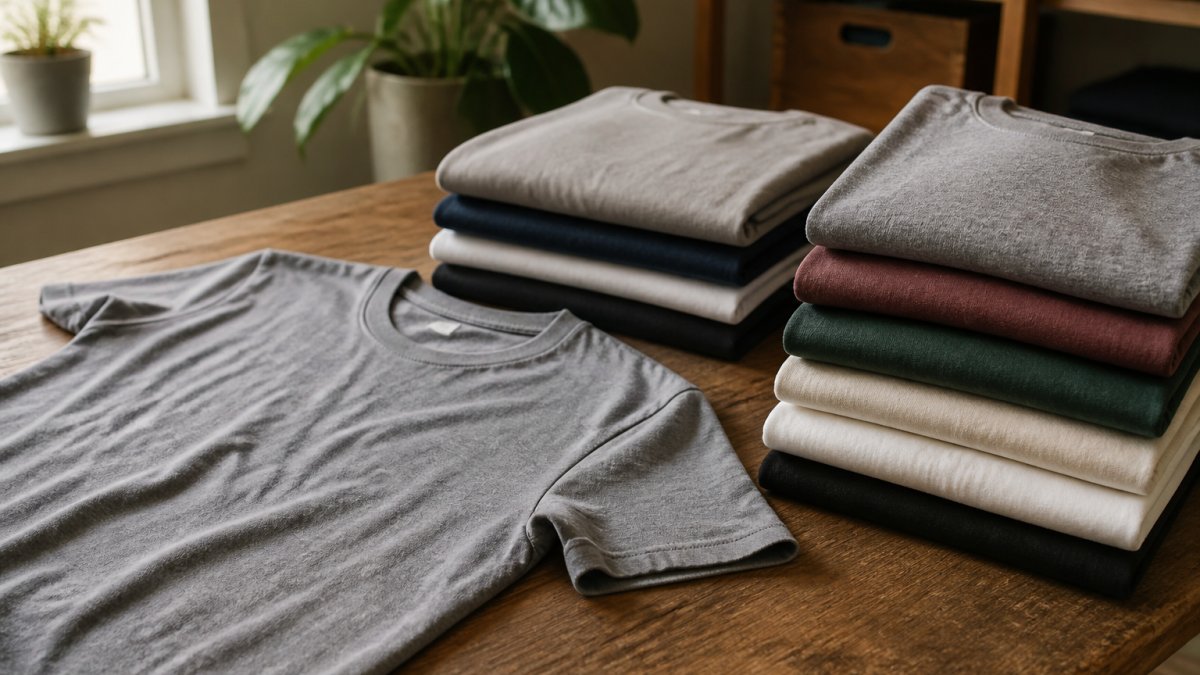
- Extending T-Shirt Lifespan Through Proper Storage and Care
- Frequently Asked Questions
Last Updated: October 3, 2026
How Long Do High Quality T-Shirts Last: The Real Timeline
How long high quality t-shirts last depends far more on what you do with them than on the garment itself. A well-made tee can last anywhere from two to five years with regular wear, but the real story lies in the details: fabric weight, construction quality, and how you care for it. Customers keep Baaaad Flockers t-shirts in rotation for years because they understand what separates a throwaway piece from something that actually holds up.
Most people assume that buying expensive means buying durability. That's only half true. A premium price tag matters, but only if it reflects genuine quality markers: proper seam construction, fabric weight measured in GSM (grams per square metre), and natural fibres or high-quality blends that resist degradation. The graphic tees that crack and fade after a handful of washes usually fail because of poor print application or thin fabric, not because graphic tees are inherently fragile.
Below, we'll walk you through exactly what determines how long your t-shirts last, how to spot quality before you buy, and the care practices that actually extend garment durability.
Factors That Affect How Long Your T-Shirts Last
T-shirt longevity hinges on three interconnected factors: the fabric itself, how it's constructed, and how you treat it. Understanding each one transforms you from someone who replaces t-shirts constantly into someone who builds a wardrobe that actually lasts.
Fabric Weight and Composition
Fabric weight, measured in GSM, is one of the most reliable indicators of durability. A lightweight t-shirt (under 150 GSM) feels soft and breathable but deteriorates quickly under regular wear. Mid-weight tees (150-180 GSM) strike a balance between comfort and longevity. Heavy-duty cotton (180+ GSM) resists pilling, holds its shape, and maintains colour vibrancy far longer than lighter alternatives.
The fibre composition matters equally. Pure cotton breaks down over time through repeated washing and friction, but high-quality cotton with tight fibre integrity resists this degradation better than low-grade alternatives. Synthetic blends (cotton-polyester mixes) often outperform pure cotton because synthetic fibres don't weaken as quickly when exposed to moisture and detergent. A 80/20 or 85/15 cotton-polyester blend typically offers superior wear resistance whilst maintaining breathability.
Natural fibres like organic cotton sound premium, but they're not automatically more durable than conventional cotton. What matters is how the cotton is processed and spun. A tightly woven organic cotton tee outlasts a loosely woven one every time. Colorfastness, the ability of a dye to resist fading, also depends on fibre quality and dyeing methods. Cheaper fabrics use surface-level dyes that wash out quickly; quality textiles use dyes that bond deeply with fibres.
Construction Quality and Seam Strength
A high quality t-shirt is built to survive repeated stress at its seams. Cheap tees use single-stitch construction, where the thread runs through fabric only once. This fails quickly because there's nothing backing up the stitch when it frays. Quality garments use double-stitch or reinforced seam construction, where threads interlock or overlap, distributing stress across multiple anchor points.
Stitch density, the number of stitches per inch, reveals construction quality instantly. A dense stitch pattern (12-16 stitches per inch) holds better than loose stitching. Press your finger against a seam: if you feel individual stitches, the garment is poorly constructed. A well-made seam feels smooth and unified.
The neckline and armholes deteriorate fastest because they experience constant friction and stretching. Quality tees reinforce these areas with extra stitching or binding tape. Budget tees often use a single row of stitching here, which leads to neckline distortion, that stretched-out, saggy collar that appears after a few washes. Baaaad Flockers t-shirts use reinforced construction at stress points, which is why customers report consistent fit after dozens of washes.
Hem quality also signals durability. A properly finished hem uses a chain stitch or double-fold construction that prevents unravelling. Cheap hems are often single-stitched and fray easily, starting a cascade of deterioration.
How to Tell If a T-Shirt Is High Quality Before You Buy
Assessing quality before purchase requires checking specific markers that reveal how long a t-shirt will actually last in your wardrobe.
Pick up the garment and feel its weight. Run it between your fingers, quality fabric feels substantial, not flimsy. If it feels thin or papery, it will pill and fade quickly. Check the care label for fabric composition and GSM information.
Examine the seams closely. Turn the shirt inside out and inspect the stitching along the sides, shoulders, and armholes. Look for reinforced seams, tight stitch density, and even tension. Run your finger along the neckline binding, it should feel smooth and secure, not loose or uneven.
Check how the collar is finished. A quality t-shirt uses a ribbed or bound neckline that resists stretching. Cheap alternatives use a single-stitch flat finish that distorts within weeks. The same applies to sleeve cuffs.
Look at how the graphic print is applied. Screen-printed designs on quality tees bond deeply with fabric; they feel like part of the garment rather than sitting on top. Direct-to-garment printing, used for detailed designs, should feel smooth and flexible, not stiff or plasticky.
Ask about the dye method. Garments dyed before cutting (piece-dyed) maintain better colorfastness than those dyed after assembly. This detail separates premium brands from mass-market alternatives.
Best Fabrics for Long-Lasting T-Shirts
Not all fabrics are created equal when durability is the priority. Understanding which materials resist wear, pilling, and fading helps you make choices that extend your wardrobe's life.
Heavy-duty cotton (180+ GSM) is the gold standard for longevity. It resists pilling better than lightweight alternatives, holds dye more effectively, and maintains structural integrity through dozens of washes.
Cotton-polyester blends (typically 80/20 or 85/15) combine the breathability of cotton with the durability of synthetic fibres. Polyester resists pilling, fading, and shrinkage. Blended fabrics often outlast pure cotton whilst remaining comfortable for everyday wear.
Organic cotton offers environmental benefits, but durability depends on how it's processed, not its organic status. A loosely woven organic cotton tee will fail faster than a tightly woven conventional cotton alternative. Quality matters more than the "organic" label.
Pima cotton, a premium variety with longer fibres, resists pilling and fading better than standard cotton. It's softer and more durable, though typically more expensive. For t-shirts intended as long-term wardrobe staples, Pima cotton justifies the cost.
Avoid ultra-lightweight fabrics (under 140 GSM) if longevity is your goal. They feel soft initially but deteriorate quickly. Similarly, 100% polyester feels synthetic and uncomfortable for everyday wear; blended fabrics achieve better balance.
How to Wash Graphic Tees Without Cracking the Print
Graphic tees fail not because the print is inherently fragile, but because most people wash them incorrectly. The print cracks when it's subjected to friction, heat, and aggressive detergent.
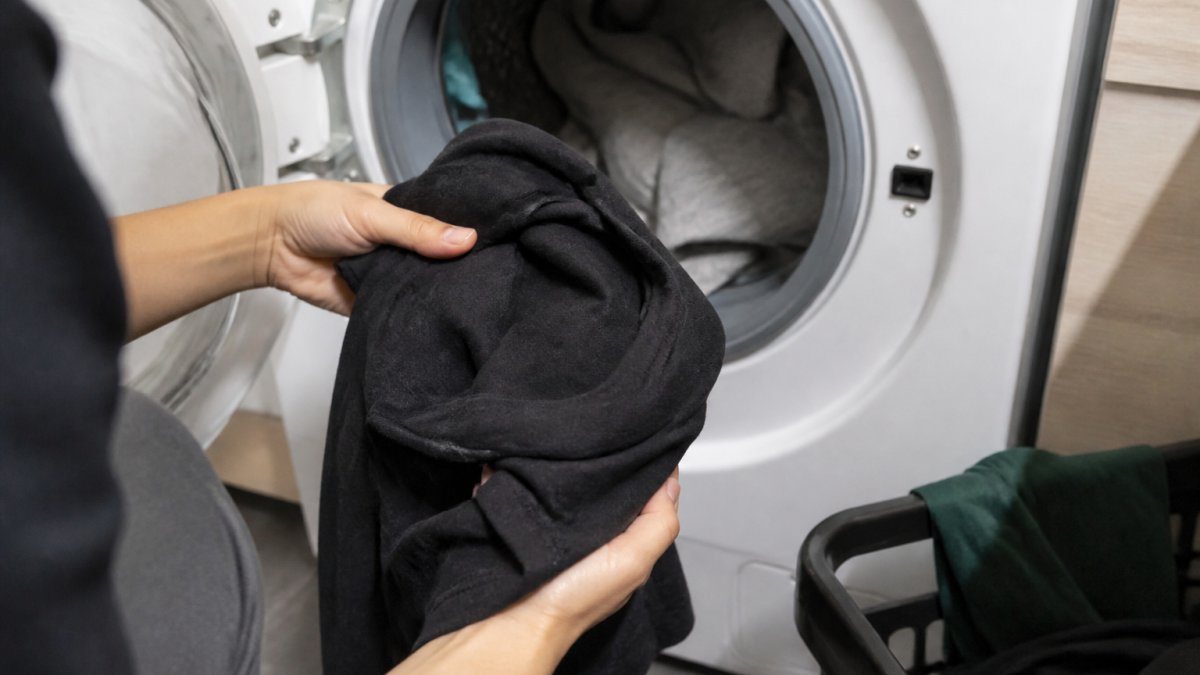
Always wash graphic tees inside out. This is the single most important step. By reversing the shirt, you protect the print from direct friction against the drum and other garments.
Use cold water for every wash. Hot water accelerates dye fading and weakens fibres, especially in synthetic blends.
Authentic T-Shirt – Original Baaad Flockers® Heritage T-Shirt →
Choose a gentle or delicate cycle on your washing machine. The standard cycle subjects garments to excessive tumbling and friction. A gentle cycle reduces mechanical stress on seams and prints.
Use mild detergent in smaller quantities than recommended. Excess detergent leaves residue that degrades fabric over time and can cause prints to become stiff or cracked.
Avoid fabric softener and bleach entirely. Fabric softener coats fibres and breaks down elasticity, causing prints to crack more easily.
Air dry whenever possible. Tumble drying generates heat and friction that accelerates print degradation and fibre breakdown.
For stubborn stains on graphic tees, spot-treat before washing rather than washing the entire garment. Soak the stained area in mild detergent and cool water, then gently rub with a soft brush.
Signs Your T-Shirt Has Reached the End of Its Life
Recognising when a t-shirt has genuinely worn out, rather than simply looking dated, helps you make informed decisions about replacement versus repair.
Visible holes or tears in the fabric signal that structural integrity has failed. Seams that have completely unravelled, especially at stress points like the underarms or shoulders, indicate that the garment has exhausted its lifespan.
Severe pilling across large areas of the fabric means the fibres have degraded beyond recovery. Whilst light pilling can be removed with a fabric shaver, extensive pilling indicates that the fabric itself is breaking down and won't improve with care.
Neckline distortion, a collar that's stretched so far it hangs away from your neck, usually signals the end. Once a neckline loses its elasticity, it won't recover.
Prints that have cracked extensively, faded dramatically, or peeled away have reached their limit.
Persistent odours that don't wash out suggest bacterial growth has penetrated the fabric deeply. This is rare in well-maintained garments but signals that the fabric's integrity has compromised its ability to be cleaned effectively.
Colour fading so severe that the garment looks grey or washed-out, especially combined with other wear signs, indicates the dye has fully degraded. This is normal after years of wear, but it's a reliable marker that replacement is overdue.
Extending T-Shirt Lifespan Through Proper Storage and Care
How you store and maintain t-shirts between wears dramatically affects their longevity. Small habits compound into years of extended garment life.
Store t-shirts folded rather than hung on hangers. Hanging stretches the shoulders and neckline over time, causing permanent distortion. Fold shirts neatly and stack them in a drawer or shelf.
Keep t-shirts in a cool, dry environment away from direct sunlight. UV light fades prints and weakens fabric fibres. Humidity encourages mould and mildew growth, which degrades both natural and synthetic fibres.
Rotate your t-shirts regularly rather than wearing the same few repeatedly. Garment durability improves dramatically when you spread wear across multiple pieces.
Wash t-shirts less frequently than most people do. A graphic tee worn once can be worn again before washing.
Repair minor damage immediately. A small hole or loose seam is simple to fix when caught early. A professional tailor can reinforce seams, patch holes, or replace worn cuffs relatively inexpensively.
Store t-shirts away from strong odours, moisture, and pests. Cedar blocks or lavender sachets help repel moths and other insects that damage fabric. Ensure the storage area has good air circulation to prevent mustiness.
Choosing a t-shirt that actually lasts requires understanding fabric weight, construction quality, and care practices that most people never consider.
At Baaaad Flockers, we've built our reputation on creating clothing designed to last, with reinforced seams, quality fabric composition, and prints that withstand years of wear. When you invest in a well-made t-shirt and care for it properly, you're not just buying a garment, you're building a piece of your everyday wardrobe that actually earns its place. Explore Men's Tees and discover why quality construction and original design make all the difference.
Frequently Asked Questions
What is the average lifespan of a high quality t-shirt?
A well-made t-shirt typically lasts 5 to 10 years with regular wear and proper care. Heavy-duty cotton blends with strong seam construction can last even longer. Frequency of wear, washing habits, and storage conditions significantly influence how long your garment durability holds up. Higher GSM (grams per square metre) fabrics generally outlast lighter-weight options, and limiting wash cycles extends textile lifespan considerably.
How does washing frequency impact t-shirt durability?
Frequent washing accelerates fabric degradation through detergent impact, friction, and heat exposure. Washing every 2-3 wears instead of after each use can double your t-shirt's lifespan. Air drying rather than tumble drying reduces stress on fibres and prevents shrinkage. Cold water washing minimises colorfastness issues and fibre integrity loss. Turning graphic tees inside out protects the print from fading and cracking during laundering.
What makes a high quality t-shirt built to last?
Look for heavyweight cotton (180+ GSM), reinforced seams with high stitch density, and finished hems that resist unravelling. Quality indicators include a smooth neckline that doesn't distort after washing, fabric that resists pilling, and consistent colour throughout. Original artwork and construction details matter, brands with design heritage and proven track records typically invest in better materials. Check the care label instructions and follow them; quality garments are designed to withstand proper maintenance.
Can I repair a t-shirt to extend its life, or should I replace it?
Minor repairs like reinforcing seams, patching small holes, or replacing worn cuffs can extend t-shirt life significantly. Pilling can be removed with a fabric shaver without damaging the garment. However, if neckline distortion is severe, multiple seams have failed, or the fabric shows widespread wear and tear, replacement is more practical. Sustainable fashion advocates recommend repairing quality pieces rather than discarding them, turning repair into a cost-per-wear advantage over time.