 how-to
Why Printed T-Shirts Crack After Washing
Table of Contents
- Why Printed T-Shirts Crack After Washing
- How to Wash Graphic Tees Without Cracking
- Does Fabric Softener Ruin Graphic Tees
- Drying Techniques to Prevent Damage
- How to Iron Graphic T-Shirts Safely
- Storage and Preventative Maintenance
- Can You Fix a Cracked Print
- Conclusion
- Frequently Asked Questions
Last Updated: August 31, 2026
Why Printed T-Shirts Crack After Washing
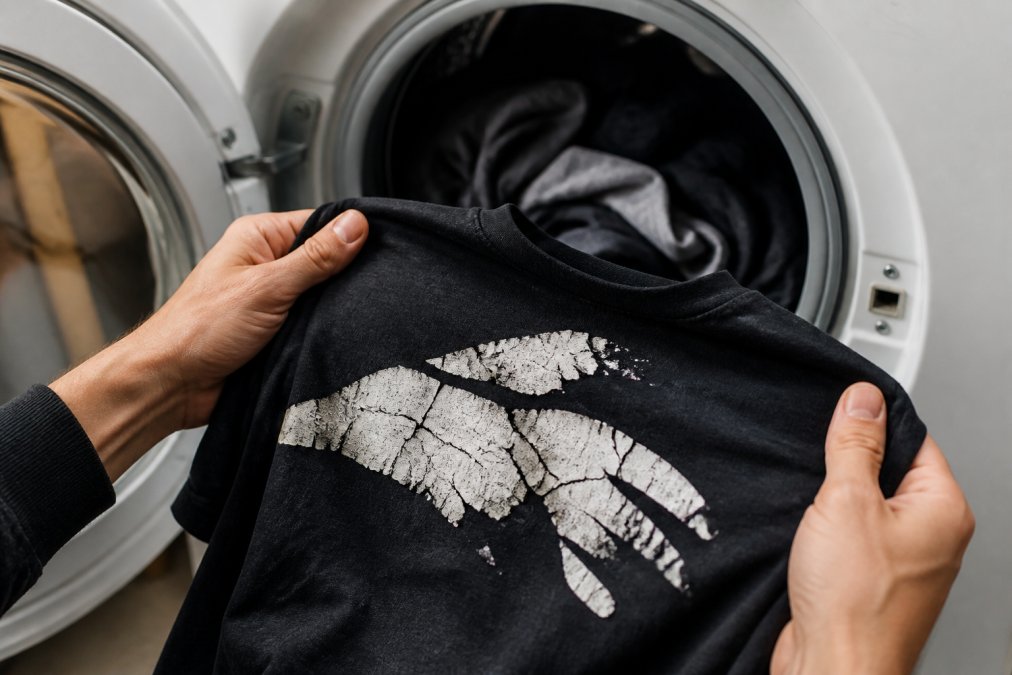
Printed t-shirts crack after washing because ink and coatings undergo stress from heat, mechanical friction, chemical exposure, and moisture. The print sits on top of fabric, bonded by adhesive or cured ink. Every wash cycle introduces forces that work against this bond: water penetrates layers, detergent breaks down polymers, heat causes expansion and contraction, and tumbling creates physical stress. This isn't inevitable, the difference between a print lasting years and one cracking after five washes comes down to how you treat it.
The Role of Heat in Garment Degradation
Heat is one of the most destructive forces in garment care. Hot water causes fabric fibres to expand while the print coating expands at a different rate, creating internal stress. Over repeated cycles, this thermal cycling weakens the adhesive bond. Tumble dryers amplify the problem by subjecting garments to sustained, intense heat that dries the print faster than the fabric underneath, creating uneven stress and accelerating polymer breakdown.
The solution is straightforward: keep heat as low as possible. Cold water washing and air drying are the gold standard for preserving printed t-shirts.
Mechanical Friction and Agitation Damage
Washing machines subject garments to constant physical stress through drum rotation, fabric rubbing against itself, and contact with other items. For printed t-shirts, this mechanical action pulls at print edges where the coating bond is weakest. High spin speeds amplify this problem by applying centrifugal force that tugs at the coating, especially at corners and edges.
Heavy-duty wash cycles are another culprit, increasing agitation intensity and duration. Delicate or gentle cycles use slower drum rotation and less agitation, reducing mechanical stress on the print.
Chemical Breakdown from Detergents
Some detergents contain enzymes and surfactants designed to break down organic compounds, which is great for stains but problematic for polymer coatings used in screen printing and direct-to-film printing. Enzyme-based detergents break chemical bonds in the ink coating. Oxygen-based bleaches and optical brighteners can fade or degrade prints.
Detergent residue compounds the problem. If rinse cycles don't fully remove detergent, it remains trapped between print and fabric, allowing moisture to reactivate it and continue degrading the coating. Using less detergent than recommended is often better for printed garments than using the full amount.
How to Wash Graphic Tees Without Cracking
Washing printed t-shirts without cracking requires a deliberate approach to minimise exposure to damaging forces.
Cold Water Wash and Low Spin Speed
Cold water (below 20°C) prevents thermal stress that damages prints (the CDC). The fabric and coating expand and contract less, reducing mechanical stress on the adhesive bond. Cold water also slows chemical reactions between detergent and the print coating.
Spin speed matters significantly. A standard wash cycle might spin at 1,000-1,200 rpm, pulling at the print edges. Reducing spin speed to 400-600 rpm dramatically decreases this stress. Wash duration also affects the outcome, a shorter cycle (20-30 minutes) reduces total exposure to agitation and detergent compared to standard 40-50 minute cycles.
Inside-Out Washing Technique
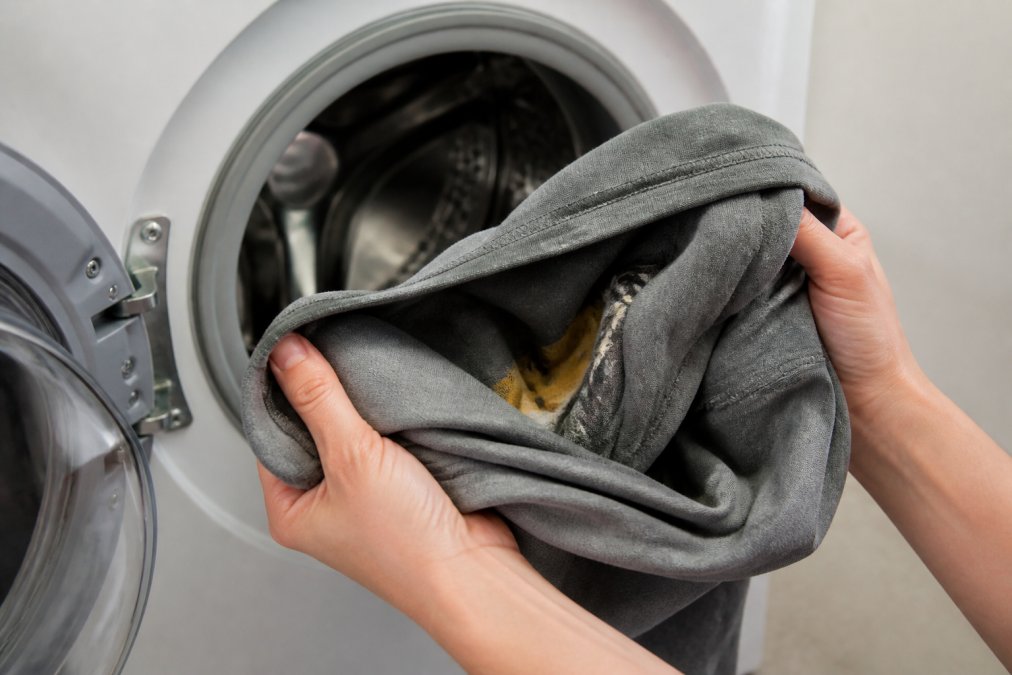
Turning the t-shirt inside out before washing shields the print from direct contact with the drum, other garments, and mechanical action. The fabric backing absorbs most abrasion. This technique is especially important for delicate prints or older garments where the coating may already be weakened. Make sure the garment is fully turned inside out with no part of the print exposed.
Choosing the Right Detergent
Look for detergents labelled as gentle, mild, or designed for delicate fabrics. These typically have lower concentrations of enzymes and surfactants that break down print coatings. Avoid enzyme-based detergents, oxygen bleaches, and optical brighteners. Colour-safe detergents are a good choice because they're designed to preserve dyes without aggressive chemicals.
Use less detergent than the bottle recommends, a quarter to half the recommended amount is usually sufficient for lightly soiled garments. Consider using a laundry mesh bag for additional protection. These bags create a barrier between the garment and the drum, reducing direct contact and mechanical friction while allowing water and detergent to circulate.
Does Fabric Softener Ruin Graphic Tees
Fabric softener is generally not recommended for printed t-shirts. Fabric softeners work by coating fibres with a waxy or oily layer that reduces friction. While this makes fabric feel softer, the coating seals the surface, preventing proper rinsing of detergent residue. More importantly, the oils and waxes in softeners can soften or dissolve certain adhesives used in screen printing, loosening the bond between print and fabric.
Skip fabric softener entirely for printed garments. If you want softness, use a fabric conditioner specifically designed for delicate or printed fabrics. Alternatively, air drying produces naturally softer results than tumble drying without chemical risks.
Drying Techniques to Prevent Damage
How you dry a printed t-shirt is just as important as how you wash it.
Air Drying Versus Tumble Dry
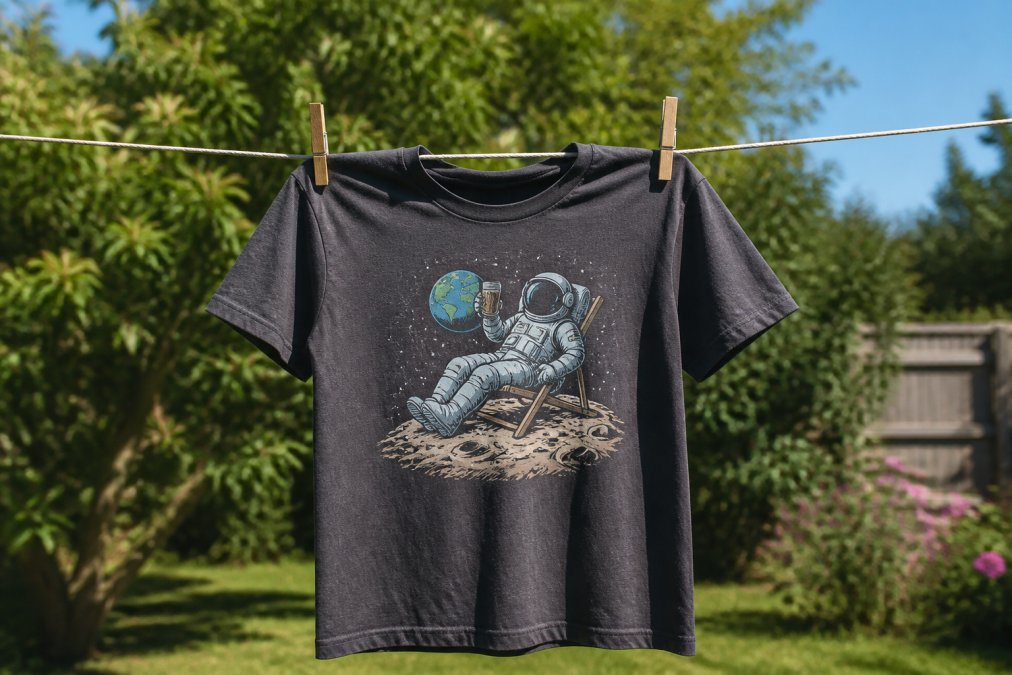
Air drying is the safest option. Lay the garment flat on a clean, dry surface or hang it on a clothesline away from direct sunlight. Flat drying distributes weight evenly, preventing stretching. Avoid direct sunlight, as UV radiation degrades the print coating over time, causing fading and brittleness.
Tumble drying should be avoided for printed t-shirts. The combination of heat and mechanical tumbling creates the worst-case scenario: the drum rotates at high speed, tumbling the garment repeatedly while heat causes expansion and contraction. If you must use a dryer, use the lowest heat setting and remove the garment while still slightly damp.
Heat Transfer and Polymer Breakdown
The print on a t-shirt is typically made from screen-printed ink (plastisol or water-based) or direct-to-film (DTF) coating. Both are polymers that degrade when exposed to sustained heat. Plastisol inks soften at temperatures above 60°C, and repeated exposure gradually breaks down polymer chains (peer-reviewed research). Water-based inks are even more sensitive to heat because they contain moisture that evaporates and re-absorbs depending on humidity and temperature.
Keep temperatures as low as possible throughout the garment's life: cold water washing, air drying, and avoiding hot environments all help preserve the print's structural integrity.
How to Iron Graphic T-Shirts Safely
If the garment needs ironing, iron the back side only. Place the t-shirt face-down on the ironing board and use a low heat setting (110-150°C), keeping the iron moving. Never let the iron sit on the print.
Alternatively, use a pressing cloth between the iron and the print to diffuse heat and prevent direct contact. A garment steamer is gentler than dry heat, using moist heat that's less likely to damage the print. The best approach is to avoid ironing altogether, air drying flat prevents most wrinkles.
Storage and Preventative Maintenance
Fold printed t-shirts rather than hanging them, as hanging can stretch fabric and create shoulder stress. Store folded garments in a cool, dry place away from direct sunlight and heat sources.
Avoid storing printed t-shirts in damp environments, as moisture encourages mildew and allows detergent residue to reactivate. Keep them away from heat sources like radiators and sunlit windows. Separate printed t-shirts from garments with rough textures or metal fittings that could catch and tear the print.
Can You Fix a Cracked Print
Once a print has cracked, repair options are limited. For minor surface cracks, fabric paint or textile sealant products can be carefully applied to prevent further peeling, though this is a temporary measure. For more significant damage, professional restoration is an option but often costs more than replacing the garment.
The most practical approach is prevention. Once you understand what causes cracking, you can protect future garments and extend the life of your printed t-shirts significantly. A well-maintained printed t-shirt, with quality construction, can last for years if you follow the care guidelines above.
Conclusion
Printed t-shirts crack after washing because of heat, mechanical friction, chemical exposure, and moisture, forces that weaken the bond between print and fabric. Preventing this damage requires cold water washing, low spin speeds, inside-out washing, gentle detergents, air drying, and proper storage.
The investment in care pays off. A printed t-shirt that's treated well remains vibrant and intact for years. When you're wearing something as distinctive and well-crafted as a design from Baaaad Flockers, where the brand know how to make you laugh, protecting that garment makes sense. Follow these guidelines, and your printed tees will stay looking great wash after wash.
Frequently Asked Questions
Can you fix a cracked print on a t-shirt?
Minor surface cracks can sometimes be sealed with fabric glue or a heat press at low temperature, but once the ink has cracked deeply, the damage is usually permanent. The best approach is prevention through proper washing and drying. Prevention is far more effective than repair.
Is it better to wash graphic tees inside out?
Yes. Washing graphic tees inside out reduces direct friction between the print and the drum, lowering mechanical stress on the ink and adhesive bond. This simple step significantly extends graphic integrity. Always turn printed t-shirts inside out before loading them into the wash machine, especially when using a standard wash cycle.
Does tumble drying cause t-shirt prints to crack?
Tumble drying accelerates cracking because heat causes polymer breakdown in the ink and weakens the adhesive bond to the fabric. The combination of thermal stress and mechanical agitation from tumbling creates ideal conditions for cracks to form. Air drying at room temperature eliminates this risk entirely and is the safest method for printed apparel.
Why does my screen print feel sticky after washing?
A sticky feel often indicates detergent residue trapped in the ink or incomplete rinsing. This residue can soften the polymer structure of the print, making it more prone to cracking during subsequent washes. Use a gentle detergent in smaller quantities, ensure a thorough rinse cycle, and avoid fabric softener, which compounds this problem by coating the print.
Explore our collection of Men's Tees at Baaaad Flockers and discover why customers keep coming back. With 30 years of design experience and a commitment to quality that shows in every stitch, our printed t-shirts are built to last, and with free 30-day returns, you can shop with confidence.
This article was written using GrandRanker