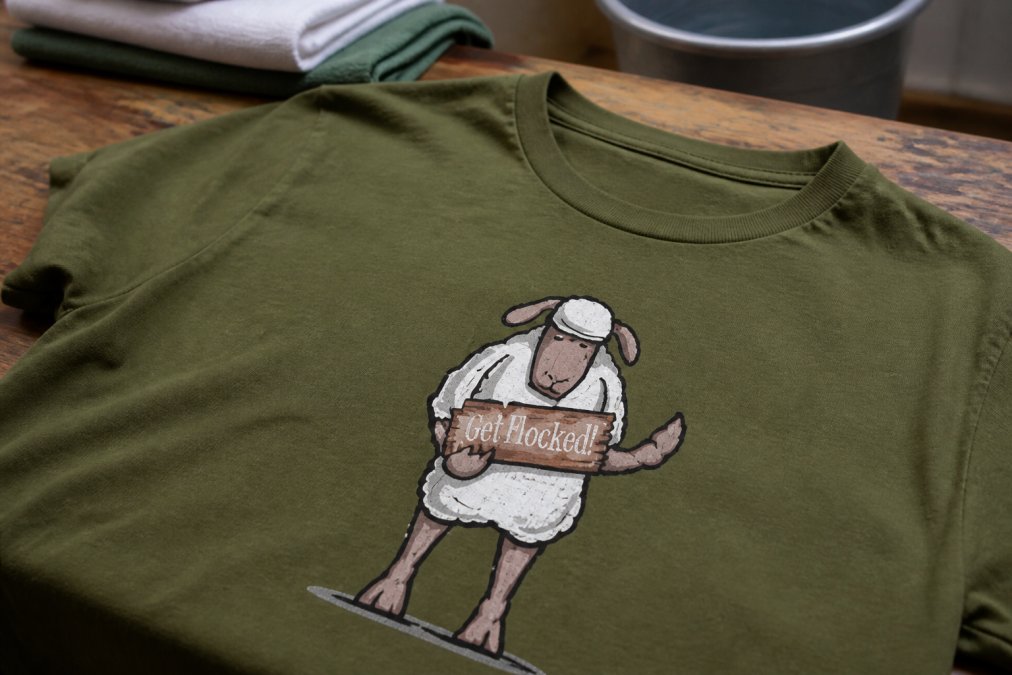
 how-to
Why Graphic Tees Crack After Washing: Prevention & Care
Table of Contents
- Why Graphic Tees Crack: The Science Behind Print Damage
- Identifying Your Print Type: Screen Printing vs Direct-to-Garment
- How to Wash Graphic Tees Without Cracking
- Best Way to Dry Printed T-Shirts
- How to Fix Cracked Screen Print on Graphic Tees
- Water Hardness and Detergent Residue: Hidden Damage Factors
- Protecting Your Investment: Fabric Composition and Garment Care
- Conclusion
Last Updated: August 27, 2026
Why Graphic Tees Crack: The Science Behind Print Damage
Graphic tees crack after washing because the ink and fabric experience competing stresses that break down the bond between them. When you wash a printed t-shirt, three forces work against the print: water penetration, mechanical agitation, and temperature fluctuations. The printed design sits on top of the fabric as a rigid layer, unlike the fabric itself which flexes and moves. Every wash cycle creates friction that eventually fractures the print under stress, with heat accelerating this process dramatically.
At Baaaad Flockers, we know how to make you laugh, and we also know that quality printing makes a difference, but even premium prints need proper care. The truth most guides miss is that cracking follows predictable patterns based on print type, water temperature, and washing technique.
How ink adhesion breaks down during washing
Ink adhesion is the chemical bond between the printed design and the fabric surface. During washing, detergent molecules weaken the ink-to-fabric interface. When detergent reaches the print's edge, it penetrates microscopic gaps between ink and fabric. Water molecules follow, creating hydrostatic pressure that pushes the ink away from the surface, most aggressively in hot water where detergent is more active.
Mechanical action from the washing machine makes this worse. Friction between fabric and drum, combined with fabric rubbing against itself, creates stress at the print's edges, where cracks typically start. Fabric softener is particularly destructive, coating fabric fibres with a waxy layer that prevents ink adhesion. If you've already washed a shirt with softener, the ink's grip is compromised for life.
The role of heat and thermal degradation
Heat is the silent killer of graphic tees. Ink and fabric have different thermal expansion rates; they expand and contract at different speeds as temperature changes. This repeated expansion and contraction creates stress that eventually cracks the print.
Thermal degradation also damages the polymer bonds that hold ink together. Many inks are polymer-based, made of long chains of molecules linked together. Heat breaks these chains, making the ink brittle. Tumble drying is the worst offender, with temperatures exceeding 65°C breaking down ink polymers (peer-reviewed research). Even moderate heat around 50°C accelerates the process. Air drying at room temperature avoids this problem entirely.
The damage compounds over time. By the fifth or sixth wash, the print is fragile enough that ordinary wear, bending, stretching, and friction from other clothes causes visible cracking.
Identifying Your Print Type: Screen Printing vs Direct-to-Garment
Different printing methods have different vulnerabilities. Knowing which type of print you own changes how you should care for it.
Screen printing vulnerability
Screen printing forces ink through fine mesh onto the fabric surface, creating a thick, visible layer of colour. The ink sits on top of the fabric rather than bonding into the weave, making it vulnerable to cracking. The thick ink layer is prone to thermal stress, expanding and contracting more than the fabric underneath, creating internal pressure that eventually cracks the surface.
Screen printing is easy to identify: you can feel the raised ink with your fingers, and the edges are sharp and defined. If you own a screen-printed tee, you need to be extra cautious with heat and mechanical stress.
Heat transfer susceptibility
Heat transfer prints use pre-printed vinyl or plastic film bonded to fabric using heat and pressure. The bond is only as strong as the adhesive between film and fabric. These prints are extremely vulnerable to high temperatures because the adhesive was already exposed to heat during application. Even moderate dryer heat can cause visible damage.
Direct-to-garment printing injects ink directly into the fabric weave, creating a softer feel and potentially better durability. However, the ink is still susceptible to detergent degradation and thermal stress.
To identify your print type, feel it with your fingers. Screen printing feels textured and raised. Heat transfer feels smooth and plastic-like. Direct-to-garment feels soft and integrated into the fabric.
How to Wash Graphic Tees Without Cracking
The way you wash a graphic tee determines whether it survives 50 washes or falls apart after five.
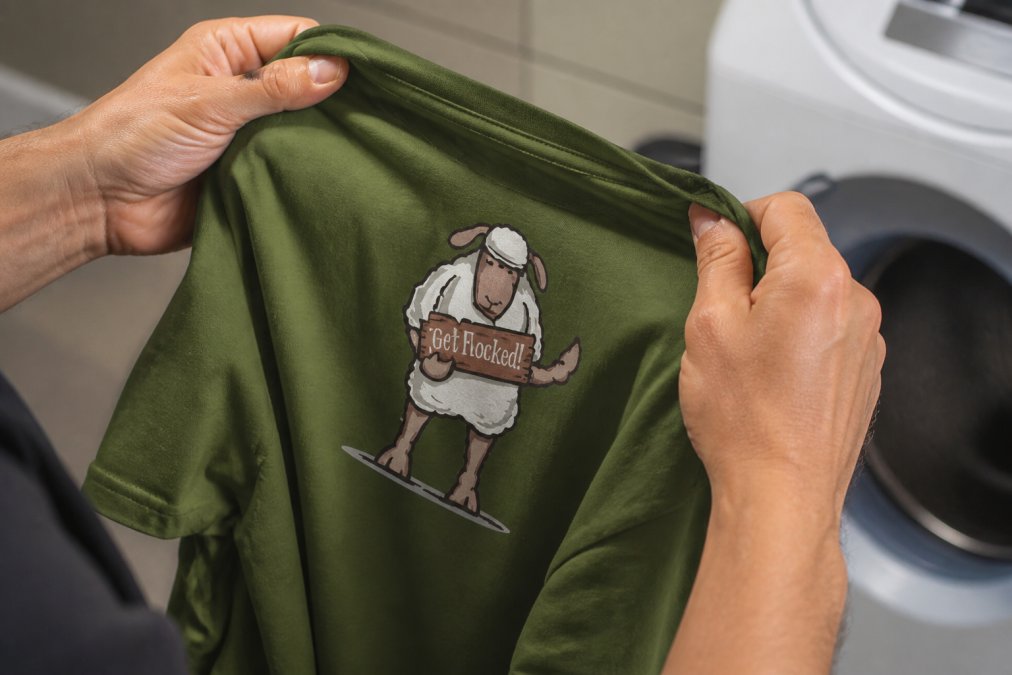
Step 1: Turn shirts inside out before washing
This is the single most important step. When you turn a shirt inside out, the printed design faces inward, away from the washing machine drum and other clothes. Friction is the enemy of graphic tees. When the shirt is inside out, friction happens on the blank back of the fabric instead of on the printed surface, dramatically reducing mechanical stress on the ink. This also protects the print from direct contact with rough seams or zips from other garments.
Step 2: Choose cold water and delicate cycle settings
Cold water is non-negotiable. Hot water accelerates detergent action, increases ink adhesion breakdown, and causes thermal stress. The delicate cycle uses slower drum rotation and shorter wash duration, reducing friction and mechanical stress on the print.
Fill the washing machine less than halfway. A full load creates more friction between garments; fewer clothes means each piece experiences less stress.
Step 3: Select mild detergent and avoid fabric softener
Use mild detergent formulated for delicate fabrics. Avoid heavy-duty or enzyme-based detergents, which attack the polymers that hold ink together. Use half the recommended amount for a standard load.
Never use fabric softener, it weakens the ink's grip permanently. Avoid bleach entirely, even oxygen bleach, as it breaks down ink polymers and causes discolouration.
Step 4: Reduce agitation and spin speed
Use reduced agitation and reduced spin speed settings if your machine offers them. Reduced agitation means less friction; reduced spin speed protects the print by reducing mechanical stress. If your machine lacks these settings, select the gentlest cycle available. washing athletic clothing.
Best Way to Dry Printed T-Shirts
How you dry a graphic tee is just as important as how you wash it. Most damage happens in the dryer, where heat and mechanical stress combine to crack the print.
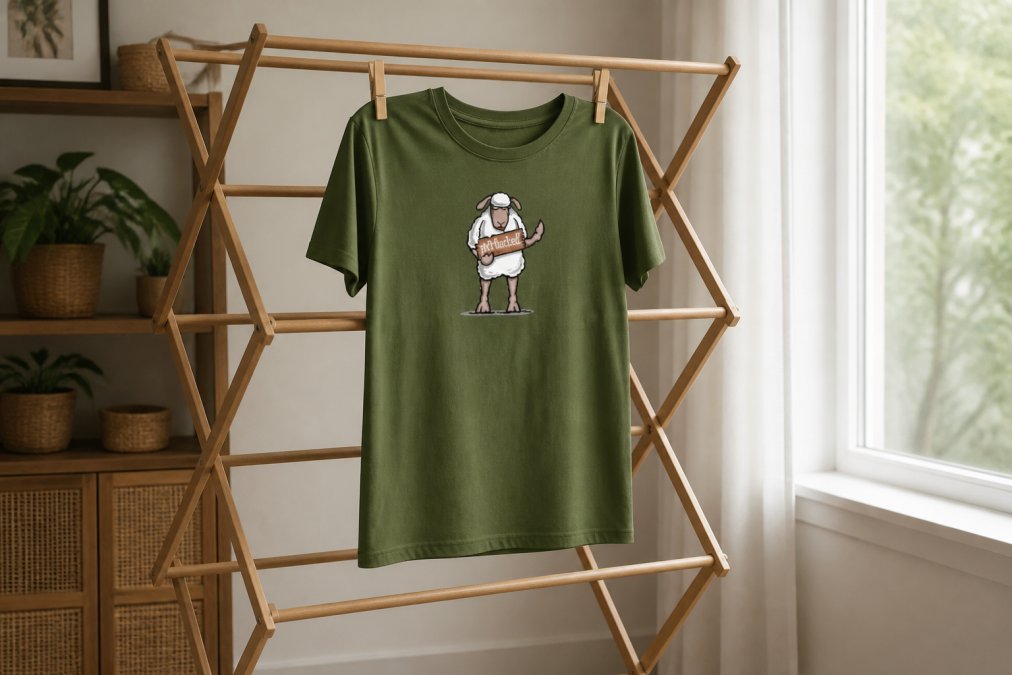
Air dry on a laundry rack away from direct heat
Air drying is the gold standard. Hang the shirt on a laundry rack in a cool, dry room away from direct sunlight. Sunlight fades prints over time, and heat from the sun causes thermal stress. Keep the shirt inside out when you hang it to keep the printed design away from direct air exposure.
Choose a location with good air circulation but no direct heat source. Avoid radiators, heaters, or windows in direct sun. Room temperature air drying is ideal, typically taking 4-8 hours depending on humidity and air circulation.
Why tumble drying causes cracking and peeling
Tumble dryers reach temperatures of 60-75°C, hot enough to degrade ink polymers and make the print brittle (peer-reviewed research). The mechanical action of tumble drying creates friction that generates stress at the print's edges, exactly where cracks typically start. Heat transfer prints are especially vulnerable because the adhesive bond can soften or break down at high temperatures.
If you must use a dryer, use the lowest heat setting available. Remove the shirt while still slightly damp and hang it to finish drying.
How to Fix Cracked Screen Print on Graphic Tees
Once a print has cracked, repair options are limited. Small cracks in screen-printed designs can sometimes be repaired by carefully applying fabric paint or ink to the damaged area. This is a cosmetic fix that makes damage less visible but doesn't restore original durability.
For heat transfer prints, repair is essentially impossible. The print is a single layer of plastic bonded to fabric, and home repair attempts usually make damage worse.
Prevention is infinitely better than repair. A single wash in hot water can cause damage that's impossible to fix properly. Treat your graphic tees well from the start, and you'll keep them looking new for years.
Water Hardness and Detergent Residue: Hidden Damage Factors
Hard water contains minerals like calcium and magnesium that interfere with how detergent works. Detergent molecules bind to minerals instead of dirt, so you use more detergent to compensate. More detergent means more chemical attack on the print. Hard water also leaves mineral deposits that trap detergent residue.
Detergent residue is particularly damaging because it continues attacking the ink-to-fabric bond during storage and wear. The print can crack weeks after washing because residue is still working on adhesion.
If you have hard water, use a water softening additive or run an extra rinse cycle to ensure all residue is removed.
Protecting Your Investment: Fabric Composition and Garment Care
The fabric underneath the print affects how well the print survives washing. Cotton is the most common fabric for graphic tees and is generally forgiving. Synthetic fabrics like polyester are more stable in water but sensitive to heat, polyester fibres melt above 80°C (peer-reviewed research).
Blended fabrics (cotton-polyester mixes) require especially careful drying; air drying is strongly recommended. Check the care label on your shirt for fabric composition and manufacturer washing recommendations.
The quality of the print also matters. A well-executed screen print with proper ink-to-fabric adhesion lasts longer than a poorly executed one. Baaaad Flockers shirts hold up well because the printing process is done with care and attention to adhesion, backed by a designer with over 30 years of experience creating best-selling pieces.
Graphic tees crack because the printed design is fundamentally different from the fabric underneath, rigid where the fabric is flexible, and degrading faster under heat and chemical stress. The good news is that cracking is almost entirely preventable with proper care. Turn shirts inside out, wash in cold water on a delicate cycle with mild detergent, and air dry on a rack. These simple steps add years to the life of your favourite graphic tees. If you're investing in quality-printed shirts like those from Baaaad Flockers, protect that investment with proper washing and drying techniques. The small amount of extra time you spend on care pays off in years of wear.
Frequently Asked Questions
What causes graphic tees to crack after washing?
Graphic tees crack due to mechanical stress and thermal degradation. When you wash, agitation and friction weaken the polymer bonds that hold ink to fabric. High heat, whether from hot water or tumble drying, breaks down these bonds faster. Detergent residue, fabric softener, and water hardness also damage ink adhesion. Screen printing and heat transfer prints are particularly vulnerable because the ink sits on the fabric surface rather than bonding into the fibres. Each wash cycle adds friction that causes the print to peel and crack over time.
How do you wash graphic tees without cracking the print?
Turn the shirt inside out to shield the printed design from friction. Use cold water on a delicate cycle to minimise mechanical stress and thermal degradation. Choose a mild detergent and skip fabric softener entirely, as it leaves residue that weakens ink adhesion. Reduce spin speed to lower agitation. Wash with similar colours in a smaller load to decrease friction between garments. Air dry on a laundry rack instead of tumble drying. These steps protect the polymer bonds between ink and fabric, extending the life of your graphic tees significantly.
Can you fix a cracked graphic on a t-shirt?
Minor cracks are difficult to repair permanently because the ink has already separated from the fabric. Prevention is far more effective than repair. If cracking has begun, you can slow further damage by following strict care guidelines: cold water, inside-out washing, and air drying. Some people attempt fabric glue or iron-on patches as temporary fixes, but these rarely restore the original appearance. For high-quality graphic tees like those from Baaaad Flockers, investing in proper care from the first wash prevents the need for repairs altogether.
Does tumble drying cause graphic tees to crack?
Yes, tumble drying is one of the primary causes of cracking and peeling on printed t-shirts. High heat accelerates thermal degradation, breaking down the polymer bonds that hold ink to fabric. The mechanical action of tumbling also creates friction and agitation that weakens ink adhesion. Even low-heat settings damage prints over time. Air drying on a laundry rack eliminates both heat and mechanical stress, making it the best way to preserve graphic tees. If you must use a dryer, remove the shirt while still damp and finish air drying to minimise heat exposure.
This article was written using GrandRanker