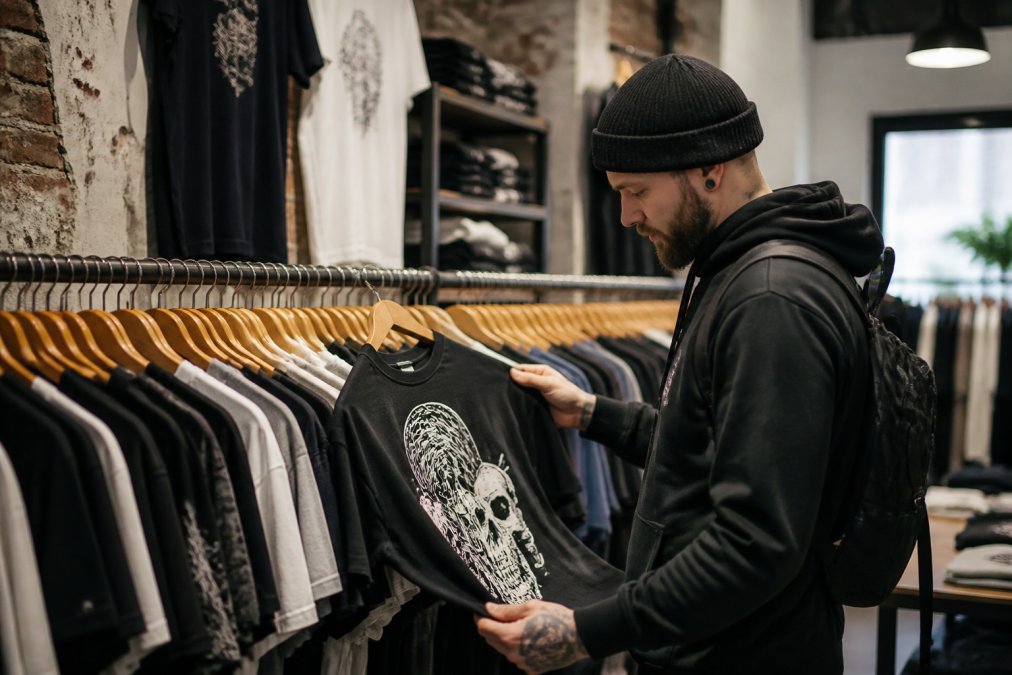
 how-to
How to Find Original Graphic Apparel: A 2026 Guide
Table of Contents
- Why Original Graphic Apparel Matters
- How to Spot High Quality Graphic T-Shirts
- Verifying Design Originality and Artist Attribution
- Where to Buy Original Graphic Apparel
- Best Independent Graphic Tee Brands to Know
- How to Style Graphic Tees for a Modern Look
- Caring for Your Graphic Apparel: Print Longevity
- Frequently Asked Questions
Last Updated: September 23, 2026
Why Original Graphic Apparel Matters
Finding genuine original graphic apparel isn't just about owning a t-shirt. It's about wearing something with a story, a real artist's voice, and craftsmanship that lasts.
Mass-produced designs are cheap and forgettable, falling apart after a few washes. Original graphic apparel comes from artists who've spent decades perfecting their craft, designs with personality that hold up because you're wearing something that actually means something.
At Baaaad Flockers, we've been creating hand-drawn designs since 1987. Every piece starts with a pencil in our studio. No templates. No shortcuts. That's the difference between graphic apparel that fades and graphic apparel that becomes a favourite you reach for again and again.
How to Spot High Quality Graphic T-Shirts
High-quality graphic t-shirts share specific traits. Once you know what to look for, spotting them becomes straightforward.
Print Quality and Durability
The print is what separates a t-shirt you'll wear for years from one that cracks after three washes.
Look for these signs of quality printing:
- Sharp edges on the design, the lines should be crisp, not blurry
- Consistent colour saturation, no fading or thin spots in the artwork
- No cracking or peeling, run your finger across the print; it should feel smooth and bonded to the fabric
- Proper curing, the ink should be fully set, not tacky or stiff
- Digital or screen printing done right, each layer sits flush against the fabric
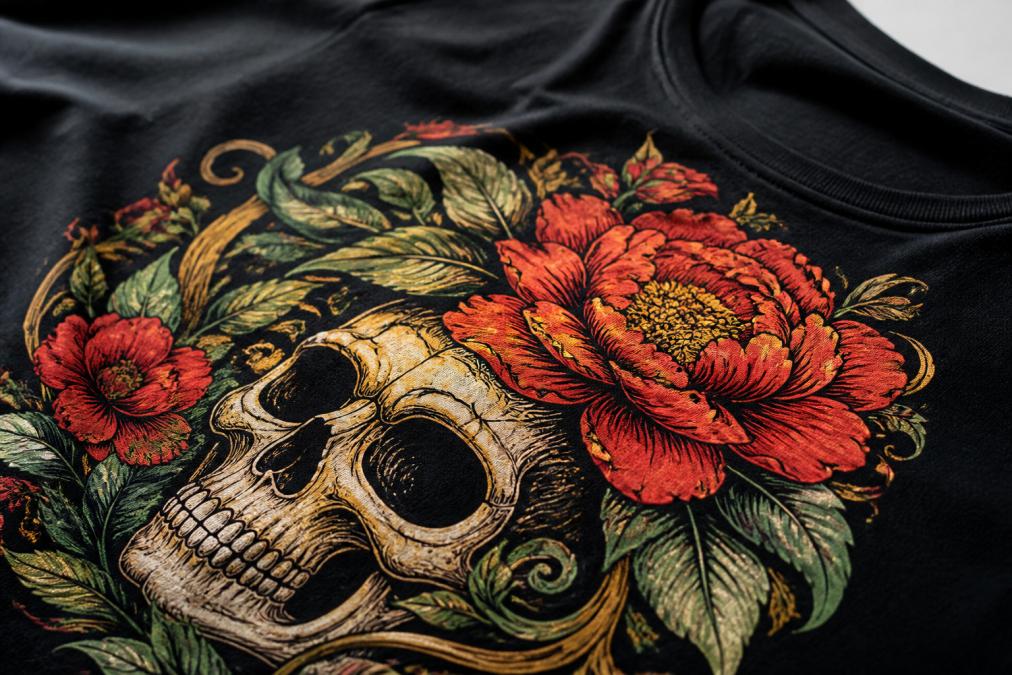
Poor-quality printing uses thin ink layers that crack within weeks; quality printing uses proper curing and substantial ink coverage, a difference that's visible and tactile.
Fabric Weight and Construction
Quality graphic apparel uses heavier, more durable fabric than cheap lightweight cotton that pills and loses shape.
Check these fabric details:
- Weight, hold the shirt; it should feel substantial, not paper-thin
- Cotton blend, look for 100% cotton or quality cotton blends (cotton-polyester mixes improve durability)
- Ribbed collar and cuffs, these reinforce high-wear areas and prevent stretching
- Taped neck seams, adds durability and comfort
- Tight weave, the fabric should feel dense, not loose or flimsy
Quality construction feels different, tighter weave, noticeable weight, and determines whether your graphic apparel lasts two years or two months.
Verifying Design Originality and Artist Attribution
Not all graphic apparel marketed as 'original' actually is. Some designs are stolen; others are generic templates rebranded as bespoke. Verifying true originality requires knowing where and how to check.
Step-by-Step Verification Process
Search for the design image. Use reverse image search (Google Images, TinEye) to find where a design first appeared. If it shows up on multiple unrelated brand websites, it's likely licensed or stolen. Original designs typically appear first on the artist's or brand's own platform.
Check the artist's portfolio and history. Legitimate designers have documented work spanning years or decades, showing consistent style, evolution over time, named collaborations, and social media presence. If the artist has no prior work history, portfolio, or online presence, that's a red flag.
Verify artist-to-brand attribution. Transparent brands name the designer, include biography or artist statement, and link to the designer's own website. Brands hiding the designer's identity or using vague language like 'inspired by' are often obscuring that the design wasn't created in-house.
Check licensing and exclusivity claims. Look for 'exclusively designed for [brand]' statements, creation dates, limited edition releases, and absence from stock-art sites like Shutterstock or Getty Images. If you find the design on a stock-art marketplace, it's not original, it's a licensed template.
Trace the design's first appearance. Check the brand's earliest social media posts, website archives (Wayback Machine), press releases, and design forums. Contact the brand directly for creation date and artist name. Brands confident in their originality will answer; those that won't are likely selling licensed or copied work.
Red Flags for Non-Original Designs
- No artist attribution. The brand doesn't name the designer or provides only a generic studio name.
- Identical designs across multiple brands. The same graphic appears on different websites with different brand names.
- Generic style with no evolution. The brand's designs all look similar with no artistic development or variation.
- Stock-art platform matches. Reverse image search reveals the design on Shutterstock, Creative Fabrica, or similar template sites.
- Vague origin stories. The brand uses phrases like 'inspired by', 'in the style of', or 'trending aesthetic' instead of crediting a specific artist or explaining the design's actual creation.
- No verifiable designer history. The artist has no portfolio, no prior work, no social media, and no way to verify their existence or experience.
Supporting Original Artists Directly
When you verify that a design is genuinely original, you're also deciding whether to support the actual creator. Independent designers and small studios depend on direct sales and brand partnerships. By choosing verified original designs, you ensure the artist is compensated fairly and encouraged to keep creating.
Where to Buy Original Graphic Apparel
Finding authentic original graphic apparel means knowing where to look and how to evaluate what you find. The best sources cut out middlemen and connect you directly to designers.
Artist-to-Consumer Platforms and Direct Designer Sales
The most reliable source for original designs is buying directly from the artist or the brand they own. These platforms and business models offer transparency and authenticity:
Independent brand websites. Designers who own their studios sell directly, ensuring the artist is credited, design stories are documented, quality control is maintained, and limited editions are possible. Look for artist bios, design process explanations, and consistent artistic voice, signs of genuine originality.
Print-on-demand artist platforms. Services like Printful, Redbubble, and Teespring let independent artists sell directly.
Authentic Hoodie | British Graphic →
Local Markets, Pop-Ups, and Independent Retailers
Markets and pop-ups. Speak directly to designers, feel fabric quality, and support local makers. Designs sold at markets are often limited and won't be mass-produced elsewhere. Check local event listings for markets featuring independent makers.
- Ask staff about the brands they stock and why they chose them
- Look for brands with artist attribution and design stories
- Notice whether the shop stocks multiple pieces from the same designer (a sign of quality and consistency)
- Check if the boutique hosts designer events or collaborations
Evaluating Online Sellers for Authenticity
Not every online seller of graphic apparel is transparent about originality. Use these criteria to evaluate:
Check product pages for artist information. Legitimate sellers include:
- Designer name and biography
- Design creation date or collection information
- Explanation of the design's inspiration or meaning
- Links to the designer's own website or social media
- Clear statement of exclusivity (e.g., 'exclusively designed for [brand]')
Verify the seller's own presence. Does the brand have:
-
A consistent visual identity across their website and social media?
-
Regular content showing their design process or artist at work?
-
Customer reviews mentioning quality and authenticity?
-
A clear 'about us' section explaining their design philosophy?
-
Numbered releases (e.g., 'Limited to 500 units')
-
Designs that sell out and aren't restocked
-
Seasonal or collection-based releases rather than permanent stock
-
Statements about exclusivity or one-time designs
Supporting Independent Designers: The Direct Model
When you buy directly from an independent designer or artist-owned brand, you're making a choice to support originality. The direct model means:
- The artist receives a larger percentage of the sale price
- You get authentic, verified original work
- You're incentivising the designer to keep creating
- You're building a relationship with a maker, not a corporation
Best Independent Graphic Tee Brands to Know
Several independent brands have built reputations for authentic, original designs.
Look for brands that:
- Feature hand-drawn or bespoke artwork
- Credit their designers by name
- Use quality fabric and printing methods
- Keep designs limited or exclusive
- Have a consistent artistic voice across collections
How to Style Graphic Tees for a Modern Look
Original graphic apparel works best when styled intentionally.
Keep it simple. Let the graphic do the talking. Pair it with plain jeans, neutral trousers, or a simple skirt. The design should be the focal point.
Caring for Your Graphic Apparel: Print Longevity
How you care for graphic apparel determines how long the print lasts.
Frequently Asked Questions
How can I tell if a graphic design is original or mass-produced?
Original designs often come with artist attribution, limited edition runs, and unique artwork that doesn't appear on multiple unrelated brands. Mass-produced designs are sold across many retailers with identical prints. Check the brand's story: authentic independent creators share their design process, inspiration, and often hand-draw their work. Look for bespoke prints rather than generic stock imagery, and verify the artist's name and portfolio. Brands with 30+ years of design heritage, like those creating hand-drawn characters with consistent style across collections, demonstrate genuine artistic provenance rather than catalogue-picked artwork.
What should I look for in fabric quality when buying graphic apparel?
Quality graphic apparel uses heavyweight cotton or cotton-blend fabrics that feel substantial and durable. Check the weight listed in product details, examine the weave density, and feel for a soft but sturdy texture. High-quality garments have reinforced seams, taped necks, and ribbed collars that hold their shape after washing. The fabric should retain its colour and the print should remain crisp through multiple washes without cracking or fading. Premium brands specify their material composition and construction methods upfront, signalling confidence in longevity.
Where can I find independent graphic tee brands that actually deliver quality?
Independent graphic tee brands thrive on artist-to-consumer platforms where designers sell directly without mass-production intermediaries. Look for brands with established design heritage, transparent artist attribution, and customer testimonials mentioning durability and fit. Local markets, independent retailers, and curated online shops specialising in original artwork tend to stock authentic pieces. Brands offering detailed sizing information, easy returns, and free return policies demonstrate confidence in their products. Seek out creators who showcase their design process, share their story, and have built loyal followings over years rather than appearing suddenly with trendy designs.
How do I know a graphic tee will actually fit well and hold up to regular wear?
Reliable brands provide detailed sizing charts, fabric composition, and care instructions before you buy. Read customer reviews specifically mentioning fit and durability, repeated comments about excellent quality and good fit indicate consistency. Check whether the brand offers easy returns or exchanges if the fit isn't right. Quality construction means the print won't crack after washing, seams won't split, and the garment won't shrink unexpectedly. Brands with 30+ years of design experience and established customer bases show their products genuinely hold up; returning customers buying multiple pieces signal satisfaction with durability and fit.