 how-to
How to Care for Hand-Drawn T-Shirts: A Complete Guide
Table of Contents
- Why Hand-Drawn T-Shirts Need Special Care
- Prepare Your Hand-Drawn T-Shirt Before the First Wash
- How to Wash Graphic Tees Without Cracking
- Best Detergent for Graphic Tees
- How to Dry Graphic T-Shirts Correctly
- How to Remove Stains from Graphic Tees
- Storage and Long-Term Maintenance
- Common Mistakes to Avoid
- Frequently Asked Questions
Last Updated: October 8, 2026
Why Hand-Drawn T-Shirts Need Special Care
Learning how to care for hand drawn t-shirts is essential, as they are investments in unique art and personality. Unlike mass-produced graphic tees, hand-drawn designs sit directly on fabric with no protective coating. The paint, markers, or ink can fade, crack, or smudge if you wash them the wrong way.
We at Baaaad Flockers create designs by hand because it matters. Each piece gets personal attention from our designer with over 30 years of experience. That craftsmanship deserves proper care.
The good news? Protecting hand-drawn artwork isn't complicated. You just need to follow a few key steps before and after the first wash. Most damage happens because people treat hand-drawn tees like regular cotton shirts. They don't account for how artwork behaves under water and heat.
This guide covers exactly how to care for hand drawn t-shirts from day one through long-term storage. You'll learn what makes hand-drawn designs different, which washing methods work best, and what mistakes to avoid.
Prepare Your Hand-Drawn T-Shirt Before the First Wash
Allow the artwork to cure properly
The first rule: wait before washing. Hand-drawn artwork needs time to set into the fabric.
Check the care tag or any instructions that came with your shirt. If you're unsure, wait at least 48 hours. This lets the paint bond fully with the fabric fibres.
Rushing the first wash is the biggest mistake people make. The artwork is still setting. Water can lift paint before it's fully bonded.
Check fabric compatibility and paint type
The fabric itself matters too. Heavy cotton holds paint better than lightweight cotton. Blended fabrics sometimes react differently to detergent.
Curing and setting artwork before washing
Before the first wash, ensure the artwork is fully cured. Follow the instructions that came with your shirt.
First-wash test for colour transfer
Before washing the whole shirt, test a small hidden area. Dampen a cotton bud with cool water and gently rub an inconspicuous part of the design. If colour transfers to the bud, wash the shirt separately for the first few washes. This prevents bleeding onto other laundry.
Inside-out washing, water temperature, and cycle selection
Always turn the shirt inside out. Use cold water (below 30°C). Select a delicate or hand-wash cycle with a low spin speed. Place in a mesh bag. Use half the normal detergent. Avoid fabric softener.
Preventing damage to other laundry
Wash hand-drawn shirts separately or with similar colours. Avoid washing with items that have zips, buttons, or rough textures that can snag the design. Never overload the machine.
How to Wash Graphic Tees Without Cracking
Hand-washing method for maximum protection
Hand-washing is the safest way to care for hand drawn t-shirts. It gives you complete control over temperature, agitation, and detergent strength.
Here's the step-by-step process:
-
Fill a basin with cold water. Use a sink or bucket. Cold water prevents dyes from bleeding and protects the artwork.
-
Add mild detergent. Use a small amount, about half what you'd use for a regular wash. Mild detergents like wool wash or baby shampoo work well. Avoid anything labelled as heavy-duty or stain-fighting.
-
Turn the shirt inside out. This is critical. The inside-out technique protects the artwork from direct friction and rubbing against the basin.
-
Submerge and soak. Let the shirt soak for 5 to 10 minutes. This loosens dirt without aggressive scrubbing.
-
Gently agitate the water. Swish the shirt back and forth. Don't wring or twist. Gentle movement is all you need.
-
Rinse thoroughly. Drain the soapy water. Refill the basin with clean cold water and rinse until no soap remains. Repeat 2 to 3 times if needed.
-
Remove excess water. Gently squeeze, don't wring. Lay the shirt flat on a clean towel and roll it up to absorb moisture.
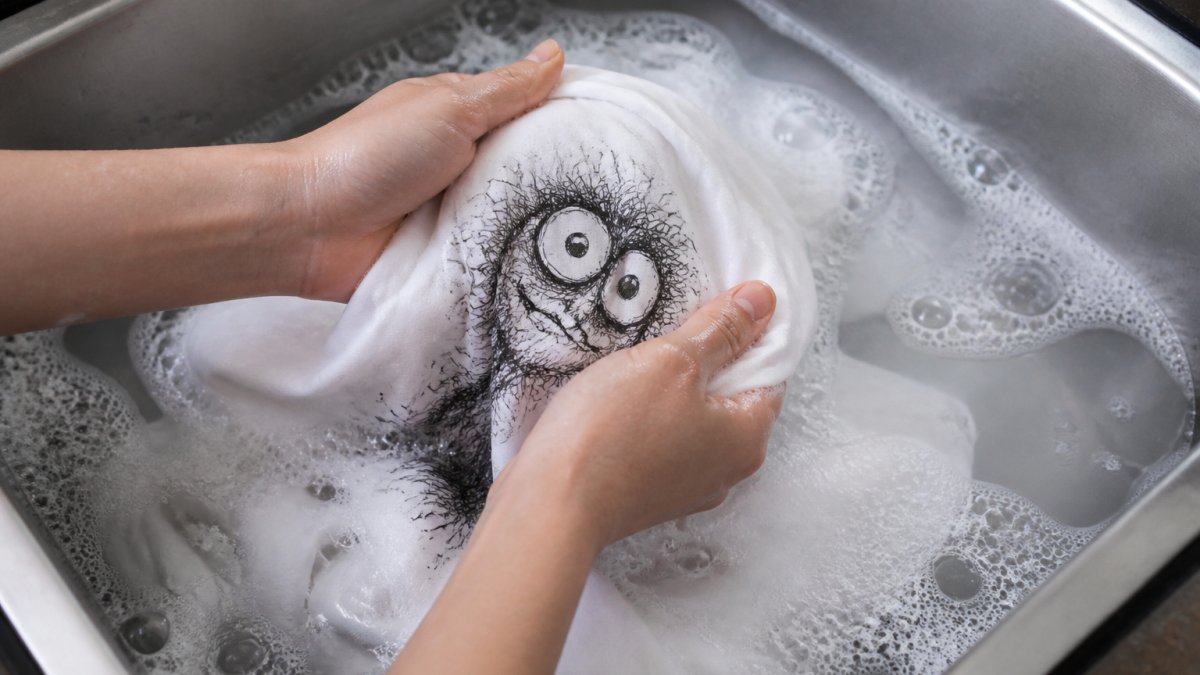
Hand-washing takes about 15 minutes but protects your design for years. It's worth the extra time for a shirt you actually care about.
Gentle machine-wash settings if needed
Sometimes hand-washing isn't practical. If you must use a machine, use the gentlest settings available.
Set your machine to:
- Cold water (never warm or hot)
- Delicate or hand-wash cycle (shortest, least agitation)
- Lowest spin speed (reduces stress on fibres)
Place the shirt in a mesh laundry bag. This adds a protective barrier and reduces friction. Turn the shirt inside out before bagging it.
Use half the normal detergent amount.
Avoid these machine settings entirely:
- Normal or heavy cycles
- Warm or hot water
- High spin speeds
- Bleach or oxygen cleaners
Machine washing is acceptable occasionally, but hand-washing gives better long-term results for hand-drawn designs.
Best Detergent for Graphic Tees
Detergent choice matters more than most people realise. Harsh chemicals break down paint bonds and fade colours.
Use mild detergents:
- Wool wash or delicate wash
- Gentle, fragrance-free options
Avoid these entirely:
- Heavy-duty laundry detergent
- Stain removers and oxy-bleach
- Bleach or chlorine-based products
- Enzyme-based cleaners (they break down paint)
- Anything labelled "colour-safe bleach"
The gentler the detergent, the longer your artwork lasts. You're not trying to strip dirt aggressively, you're just rinsing away surface dust and body oils.
Less detergent is always better. Even mild detergent can damage artwork if you use too much. A small squirt goes a long way in cool water.
How to Dry Graphic T-Shirts Correctly
Drying is where many people accidentally damage their hand-drawn designs. Heat and tumbling can crack paint or cause colours to fade.
Best drying method: air-dry flat
- Lay the shirt flat on a clean, dry surface (a towel or drying rack works well).
- Smooth out wrinkles gently by hand.
- Keep it away from direct sunlight, which fades artwork.
- Allow 4 to 8 hours to dry completely (or overnight).
Flat drying prevents stretching, shrinking, and stress on the seams. The artwork stays exactly where it should be.
Second-best option: hang to dry
If you don't have space to lay it flat, hang the shirt on a hanger in a well-ventilated area. Use a padded hanger to prevent shoulder marks. Turn it inside out if possible.
Never use these methods:
- Tumble dryer (heat cracks paint; spinning causes friction)
- Direct sunlight (fades colours permanently)
- Heat source like a radiator (causes uneven drying and damage)
- Wringing or twisting (stresses the artwork)
Air-drying takes longer but preserves your design. It's the difference between a shirt that looks great after 10 washes versus one that looks tired after three.
How to Remove Stains from Graphic Tees
Stains happen. The key is acting quickly and using gentle methods that won't damage the artwork.
Fresh stain protocol:
-
Blot immediately. Use a clean, damp cloth to blot the stain. Don't rub, rubbing spreads it and damages the paint.
-
Rinse with cool water. Hold the stained area under cool running water from the back of the fabric. This pushes the stain out rather than deeper in.
-
Apply mild soap. Use a tiny amount of mild detergent on a soft cloth. Gently dab the stain.
-
Rinse again. Rinse thoroughly with cool water until no soap remains.
-
Air-dry flat. Never heat-set a stain. Let it dry naturally to see if it's gone.
Stubborn stains:
For stains that don't come out on the first try, repeat the process. Patience works better than aggressive scrubbing.
Never use:
- Stain sprays or pre-treatments
- Bleach or oxygen cleaners
- Hot water
- Vigorous rubbing
Preventing colour transfer and bleeding
Before treating a stain, test for colourfastness. Dampen a cotton bud with cool water and gently rub a hidden part of the design. If colour transfers, do not rub the stain directly; instead, flush with cool water from the back. Always wash the shirt separately for the first few washes to avoid dye transfer to other garments.
Ironing, stain removal, and storage
If ironing is needed, use low heat and iron the back of the shirt only. Never place a hot iron directly on the artwork. For storage, fold neatly and keep in a cool, dry place away from sunlight.
Storage and Long-Term Maintenance
How you store your shirt between wears affects how long the artwork lasts.
Storage best practices:
-
Fold, don't hang. Long-term hanging stretches the shoulders and can warp the design. Fold neatly and stack in a drawer or shelf.
-
Keep in a cool, dry place. Heat and humidity fade colours and can cause mildew. Avoid damp basements or hot attics.
-
Avoid direct sunlight. Store away from windows where UV light can fade the artwork over time.
-
Use acid-free tissue. If you're storing long-term, place acid-free tissue between folds to prevent creasing and colour transfer.
-
Space them out. Don't pack shirts too tightly. Air circulation helps prevent odours and moisture buildup.
Ironing hand-drawn designs:
If you need to iron, use low heat and iron the back of the shirt only. Never place a hot iron directly on the artwork.
Common Mistakes to Avoid
People damage hand-drawn t-shirts through simple mistakes. Most are easy to prevent once you know what to watch for.
Mistake 1: Washing too soon
Washing before the artwork has fully cured causes fading and smudging. Wait the recommended time before the first wash.
Mistake 2: Using hot water
Hot water opens fabric fibres and can lift paint. Stick to cold water every time.
Mistake 3: Overwashing
Hand-drawn tees don't need frequent washing. Wash only when visibly dirty. Spot-clean minor stains instead of full washes. Less washing = longer-lasting artwork.
Mistake 4: Machine drying
Tumble dryers cause cracking, fading, and shrinking. Air-dry every time if the design matters to you.
Mistake 5: Aggressive detergent
Heavy-duty detergents break down paint bonds. Always use mild options.
Mistake 6: Wringing or twisting
This stresses the fabric and can damage the artwork. Gently squeeze excess water instead.
Mistake 7: Ignoring the care tag
If your shirt came with specific instructions, follow them. Different artists use different techniques and materials.
Hand-drawn t-shirts from Baaaad Flockers are made to be worn and enjoyed. With the right care routine, they stay vibrant and comfortable. Cold water, mild detergent, inside-out washing, and air-drying are your foundation. Get started with Baaaad Flockers and explore our collection of original, hand-drawn designs that are genuinely funny without being vulgar, backed by 30+ years of design experience.
Frequently Asked Questions
Can you put hand-drawn t-shirts in the washing machine?
Hand-drawn t-shirts can go in the machine, but hand-washing is safer for artwork longevity. If you must use a machine, select a gentle cycle with cold water, turn the shirt inside out, and use mild detergent. Machine washing risks colour bleeding, cracking, and fading. Hand-washing takes 5 minutes and dramatically extends the life of your hand-drawn design.
What detergent should you use for hand-drawn t-shirts?
Choose a mild, gentle detergent free from bleach, enzymes, and harsh chemicals. Avoid regular laundry detergents, which can damage fabric artwork and cause colour transfer. Look for products labelled 'gentle' or 'delicate.' Cold water combined with mild detergent prevents colour bleeding and protects the artwork from fading or cracking over repeated washes.
How do you prevent a hand-drawn t-shirt from cracking or fading?
Prevent cracking and fading by hand-washing in cold water with mild detergent, turning the shirt inside out, and air-drying flat or hung. Avoid heat, tumble dryers, direct sunlight, and hot water all cause cracking and colour loss. Allow artwork to cure before the first wash. Store flat or rolled in a cool, dry place away from direct light. These steps preserve both the durability and vibrancy of hand-drawn artwork.
Can you tumble dry a hand-drawn t-shirt?
No, tumble dryers damage hand-drawn designs through heat and friction. High temperatures cause artwork to crack and colours to fade. Always air-dry hand-drawn t-shirts flat on a clean surface or hung on a line, away from direct sunlight and heat sources. Air-drying takes longer but preserves the artwork's integrity and prevents shrinkage. This is one of the most important steps in caring for graphic tees.