 blog
blog
Anti-Pilling Fabric: Benefits for Durability & Style
Table of Contents
- What Is Anti-Pilling Fabric and Why It Matters
- How Pilling Forms and Why Some Fabrics Are More Prone to It
- Extended Garment Life and Durability Benefits
- Maintaining Smooth Appearance and Reducing Fuzzing
- How to Prevent Clothes from Pilling: Care and Treatment
- How to Remove Bobbles from Clothes and Restore Fabric
- Anti-Pilling Fabric for Different Garment Types
- The Trade-Offs: Cost, Environmental Impact, and Performance
- Frequently Asked Questions
Last Updated: October 9, 2026
What Is Anti-Pilling Fabric and Why It Matters
Anti-pilling fabric is material treated or constructed to resist the formation of small bobbles on its surface, and understanding anti-pilling fabric benefits helps you choose garments that stay looking newer longer. These bobbles, called pills, form when short fibres break free from the yarn and tangle together. Anti-pilling treatments or yarn structures stop this, keeping clothes looking newer for longer.
At Baaaad Flockers, quality matters. A t-shirt or sweater that pills after a few washes doesn't feel premium, no matter how funny the design. Anti-pilling technology is the difference between a garment you'll wear for years and one that looks shabby within months.
Pilling happens to almost all fabrics over time, but some resist it far better than others. Those fabrics stay in rotation longer, hold their shape better, and feel better against your skin.
How Pilling Forms and Why Some Fabrics Are More Prone to It
Pilling happens when short fibres work loose from the yarn during wear and washing and tangle into tight little balls on the surface, starting with friction from skin, other clothes, or a washing machine.
Open-end yarn (a cheaper spinning method) sheds more fibres than ring-spun yarn, which is why budget t-shirts pill faster. Synthetic fabrics like polyester and acrylic are especially prone to pilling because their fibres are longer and more likely to tangle.
Natural fibres like cotton pill less, but they still can. Fleece and polar fleece are notorious for pilling because their open structure lets short fibres escape and ball up.
Fabric weight matters too. Lightweight fabrics experience more surface friction, so they pill faster. Heavy, dense weaves protect the fibres underneath and reduce pilling significantly.
Extended Garment Life and Durability Benefits
Among the many anti-pilling fabric benefits, the most obvious is longevity. A garment that resists pilling stays wearable longer, so you get more wear from each piece before it looks worn out.
A quality t-shirt with anti-pilling treatment might last 3-5 years of regular wear; without it, the same garment might look tired after 12-18 months. That's a significant difference in how much you enjoy what you bought.
Durability also means fewer replacements and less money spent on new clothes.
Anti-pilling fabric also resists general surface wear better: fibres stay locked in place, so seams stay stronger, hems don't fray as quickly, and the garment ages more gracefully.
Maintaining Smooth Appearance and Reducing Fuzzing
The visual appeal of anti-pilling fabric is immediate. Clothes stay smooth and clean-looking instead of developing that fuzzy, worn-out appearance. A t-shirt covered in bobbles looks cheap and tired, regardless of the design or original quality.
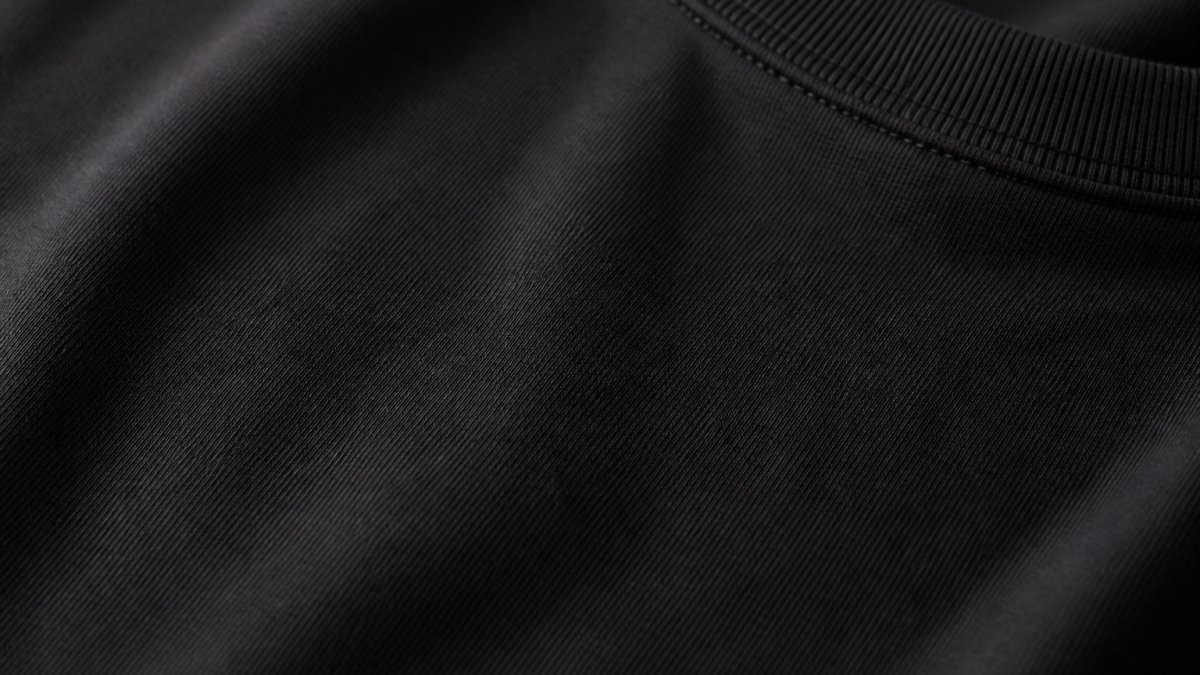
Fuzzing, the general roughening of fabric surface, is related to pilling: fibres break loose and stay on the surface without tangling. Anti-pilling treatments reduce both, so fabric stays smooth and sharp longer.
This matters most for visible garments. If a sweater with a funny design is covered in bobbles after a few months, the design gets lost and the piece loses impact. Anti-pilling fabric keeps the design and the garment looking intentional and well-maintained.
Smoothness also affects how the garment feels: pilled fabric feels rough, while treated fabric stays soft against your skin.
How to Prevent Clothes from Pilling: Care and Treatment
You can slow down pilling with proper care, even on untreated fabrics. Here's what actually works:
Wash inside out. This reduces friction between the garment surface and the washing machine.
Use cold water and gentle cycles. Hot water and aggressive agitation accelerate pilling.
Avoid fabric softener. It can loosen fibres and make pilling worse.
Dry carefully. Tumble dryers create friction that encourages pilling; air drying is gentler, or use low heat if you must.
Fold instead of hanging. Hanging creates tension on fibres, especially at the shoulders.
Even with perfect care, untreated fabrics will eventually pill. Anti-pilling treatments eliminate most of this problem. But good washing habits extend the life of any garment.
How to Remove Bobbles from Clothes and Restore Fabric
If pilling has already happened, you have options. You can't prevent it entirely on untreated fabrics, but you can remove the bobbles.
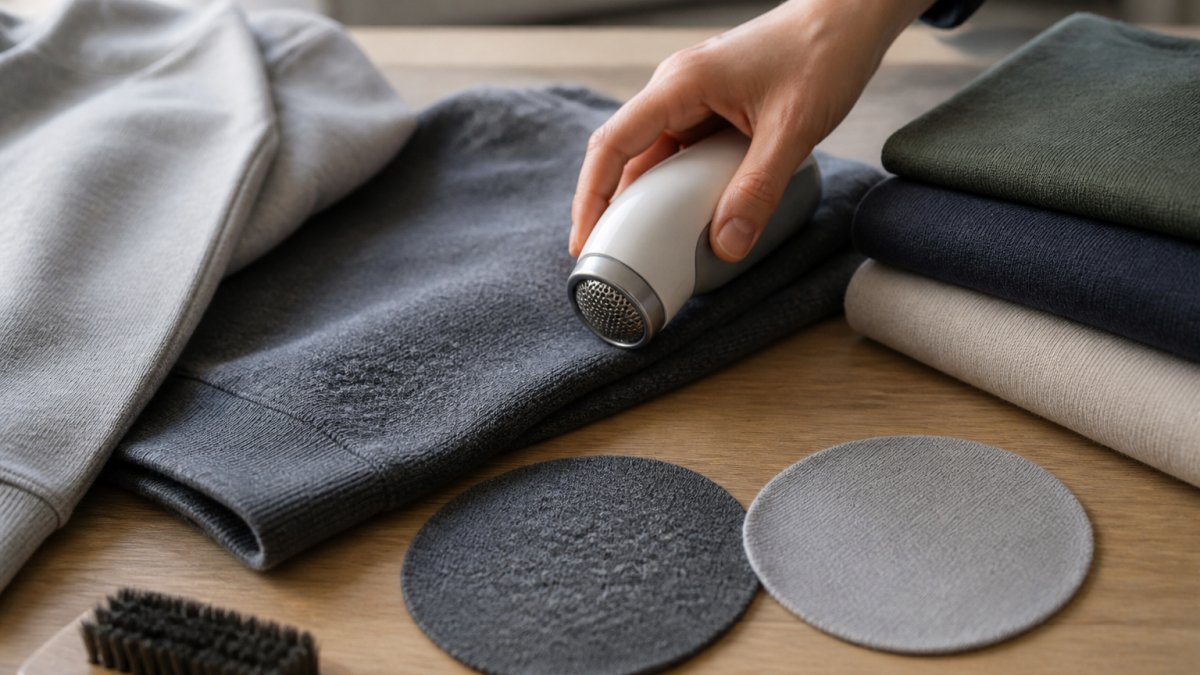
Use a fabric shaver. These battery-operated tools gently shave off surface bobbles without damaging the underlying fabric. Be gentle and don't press too hard.
Try a pumice stone. A soft pumice stone works for light pilling. Rub gently in one direction.
Use a lint roller or tape. For very light pilling, a lint roller or tape wrapped around your hand can pick off bobbles from small areas.
Consider a sweater comb. Designed for knitwear, these combs gently lift and remove pills without damaging the garment.
The key with all these methods is gentleness. You're removing loose fibres, not damaging the underlying fabric, aggressive scrubbing can create holes or thin spots.
Prevention is always better than removal. Anti-pilling fabric saves you this hassle entirely. You wear the garment and it stays smooth. No maintenance required.
Anti-Pilling Fabric for Different Garment Types
Not all garments benefit from anti-pilling treatment equally.
Fleece and polar fleece. These are the classic pilling offenders. Fleece is usually knitted from polyester or a blend, then brushed to raise a soft surface, exactly where loose fibres escape and tangle.
Knitwear and sweaters. Wool, acrylic, and blends pill at different rates. Long-staple wool and tightly spun yarns resist pilling better than short-staple wool or loose acrylic.
T-shirts and jersey tops. These are washed far more often than most garments, so pilling shows up quickly. Ring-spun cotton pills less than open-end cotton because the fibres are aligned and held more tightly.
Upholstery and soft furnishings. Sofas, cushions, and throws face constant abrasion from sitting, leaning, and moving. Anti-pilling treatments here are usually paired with tight weaves or high-twist yarns.
Bedding and blankets. Sheets and blankets are washed frequently and rub against skin and other fabrics, so pilling feels rough and looks tired quickly.
Workwear and outdoor gear. These garments face the harshest friction: backpacks, tool belts, rough surfaces, and repeated washing.
Loungewear and comfort wear. These items are worn and washed often but not usually subjected to heavy abrasion. Anti-pilling treatment keeps them soft and presentable, with the main benefit being comfort retention: no rough patches, no bobbles against the skin.
The pattern is consistent: the more friction a garment meets and the more often it's washed, the more anti-pilling treatment earns its place. But fibre choice, yarn structure, and fabric construction often determine how well a garment resists pilling over its lifetime.
If you wear something often, it's worth choosing a version that resists pilling. The difference shows up in how long the garment stays comfortable and presentable, not just how it looks on day one.
The Trade-Offs: Cost, Environmental Impact, and Performance
Anti-pilling treatments are not a free upgrade. They come with real trade-offs, and understanding them helps you judge whether a particular garment is worth the money.
Cost and value over time. Treated fabrics usually cost more because the treatment adds a manufacturing step, so the question is whether that extra cost pays for itself.
Treatment versus construction. This is the distinction most shoppers miss. Anti-pilling can come from four places: fibre choice, yarn construction, fabric structure, or a chemical or mechanical finish.
Performance variation. Not all treatments are equal. Some work brilliantly for years; others fade after 50 to 100 washes.
Breathability and moisture. Some anti-pilling finishes reduce breathability, especially on synthetics, since a tightly finished surface may trap moisture or heat.
Softness and handfeel. Treatments can change how a fabric feels. Some make it slightly stiffer at first, though this usually softens with wear and washing; others make the surface smoother but less plush.
Environmental impact. Chemical anti-pilling finishes raise questions about water use, effluent, and the chemicals themselves, while mechanical and yarn-based approaches avoid some of these concerns.
Recyclability. Fabrics with chemical finishes can be harder to recycle because the finish may interfere with processing, while mechanical and yarn-based approaches are generally easier.
Washing durability. Chemical finishes can lose effectiveness over time, after 50 to 100 washes, some are noticeably weaker, while yarn-based approaches like ring-spun construction stay effective for the life of the garment.
Testing and measurable performance. Pilling isn't just a matter of opinion.
The bottom line. Anti-pilling treatment is usually worth it for high-friction, frequently washed garments, but the best value often comes from a garment that resists pilling through its fibre and construction, not just a surface finish.
Frequently Asked Questions
What is anti-pilling fabric and how does it differ from regular fabric?
Anti-pilling fabric is treated or constructed to resist the formation of small balls of fiber (pills) on its surface. Regular fabric, especially fleece and knits, develops pills when short fibres break and tangle on the surface through friction and wear. Anti-pilling treatments strengthen fibre cohesion or modify the fabric's construction to minimise this process, keeping garments looking newer for longer. The key difference is durability: anti-pilling fabric maintains a smooth appearance through repeated washing and wearing, whilst untreated fabric deteriorates visually much faster.
Does anti-pilling fabric completely stop clothes from bobbling?
Anti-pilling fabric significantly reduces bobbling but rarely eliminates it entirely. High-quality anti-pilling treatments can reduce pilling by 70-90% compared to untreated fabric, but some minor surface wear is still normal with extended use. The effectiveness depends on the fabric type, the specific treatment applied, and how you care for the garment. Items made from inherently pill-resistant fibres perform better than those with surface treatments alone. Proper washing techniques, using gentle cycles and avoiding excessive friction, further minimise bobbles and extend the garment's appearance.
How should I care for anti-pilling garments to keep them looking good?
Wash anti-pilling clothes inside out on a gentle cycle with cool water to reduce friction. Use a mild detergent and avoid fabric softener, which can weaken fibre cohesion and actually increase pilling. Dry on low heat or air-dry when possible, as high heat can damage the treatment. When storing, fold rather than hang heavy items to prevent stress on fibres. If bobbles do appear, use a fabric shaver or pill remover, a simple, inexpensive tool, to gently remove them without damaging the underlying fabric. Regular, gentle care keeps anti-pilling benefits effective for years.
Is anti-pilling fabric worth the extra cost?
For garments you wear frequently and want to last, anti-pilling fabric offers strong value over time. Because it resists pilling and maintains appearance longer, you get more wear from each item before it looks worn out. This is especially true for fleece, knitwear, and casual everyday pieces that experience regular friction. However, if you rarely wear something or plan to replace it quickly, the investment may not justify itself. Consider your lifestyle: active wearers, people who wash clothes frequently, and those who value a polished appearance typically see the best return on anti-pilling fabrics.
Anti-pilling fabric keeps your favourite pieces looking sharp and feeling soft for years. Whether you're buying a funny t-shirt you'll wear constantly or a cosy sweater for everyday comfort, choosing quality matters. At Baaaad Flockers, we design pieces meant to last, with original hand-drawn humour backed by fabrics that hold up to real life. Explore our collection of men's tees and find something that makes you laugh and actually survives the washing machine.