 listicle
Durable Clothing for Women Over 50: Quality That Lasts
Table of Contents
- Why Durable Clothing for Women Over 50 Matters
- Natural Fabrics and Materials That Stand the Test of Time
- Building Capsule Wardrobe Essentials for Women Over 50
- How to Care for Clothes to Make Them Last Longer
- Comfortable Statement Clothing for Everyday Wear
- Cost-Per-Wear: Getting Real Value from Your Investment
- Fit Considerations for Women Over 50
- Frequently Asked Questions
Last Updated: September 19, 2026
Why Durable Clothing for Women Over 50 Matters
Quality matters more as you get older. Why waste time and money on durable clothing women over 50 that falls apart after a season?
Durable clothing for women over 50 isn't about chasing trends. It's about investing in pieces that fit well, feel comfortable, and last long enough to justify what you've spent. Research from the British Fashion Council's sustainability report shows that extending a garment's life by just nine months reduces its environmental impact by up to 20-30%. But beyond the environmental angle, there's a practical one: fewer shopping trips, fewer disappointing fits, and more money in your pocket.
Understanding what makes clothing actually durable, fabric quality, construction, and care, determines whether a piece becomes a staple or a donation-pile casualty.
Natural Fabrics and Materials That Stand the Test of Time
Cotton, linen, merino wool, and silk resist wear patterns that destroy synthetic alternatives because of their fibre structure.
Synthetics break down through UV exposure and heat, causing pilling within two years. Natural fibres are mechanically stronger: cotton resists pilling when tightly woven, linen softens with washing, and merino wool resists odour-causing bacteria, requiring fewer washes.
Fabric weight is the first durability indicator. Measured in grams per square metre (gsm), a heavyweight cotton jersey at 250gsm will outlast a lightweight 150gsm version by years because thicker fabric simply has more fibre to lose before it becomes thin or transparent. For everyday wear, look for:
- Cotton: 200gsm minimum for t-shirts and casual tops; 250gsm+ for pieces you'll wear frequently
- Linen: 150gsm+ for shirts (linen is naturally durable even at lower weights); 200gsm+ for trousers
- Merino wool: 200gsm+ for jumpers; finer merino (18 microns or lower) resists pilling better than coarser grades
- Silk: 19 momme (a silk-specific weight measure) minimum; anything lighter is too delicate for regular wear
Weave density matters as much as weight. Hold fabric up to light, if you can see through it easily, the weave is too loose. Quality pieces feel substantial and smooth; thin, papery fabric rarely survives more than a few seasons.
Synthetic blends add stretch and reduce wrinkles, but ratio matters. A 70% natural fibre and 30% synthetic piece lasts longer than 30% natural and 70% synthetic. Natural fibres do structural work; synthetics support them.
Care amplifies durability. Cold-water washing, air-drying, and minimal heat exposure extend garment life by years. A merino wool jumper air-dried might last a decade; tumble-dried on high heat it will pill within three years.
Building Capsule Wardrobe Essentials for Women Over 50
A capsule wardrobe solves the real problem: you need the right pieces that work together, not dozens of items.
Start with neutral foundations: cream, navy, black, grey, olive. They layer, pair with everything, and hide wear better than bright colours. Add three to five statement pieces you genuinely love.
Essential pieces of durable clothing women over 50 should include:
- Button-down shirts in natural fibres (white, cream, soft blue)
- Well-fitted dark jeans or trousers
- Neutral jumpers or cardigans in quality knit
- Midi dresses or skirts that hit below the knee
- Comfortable everyday tops in neutral shades
- One structured blazer for layering
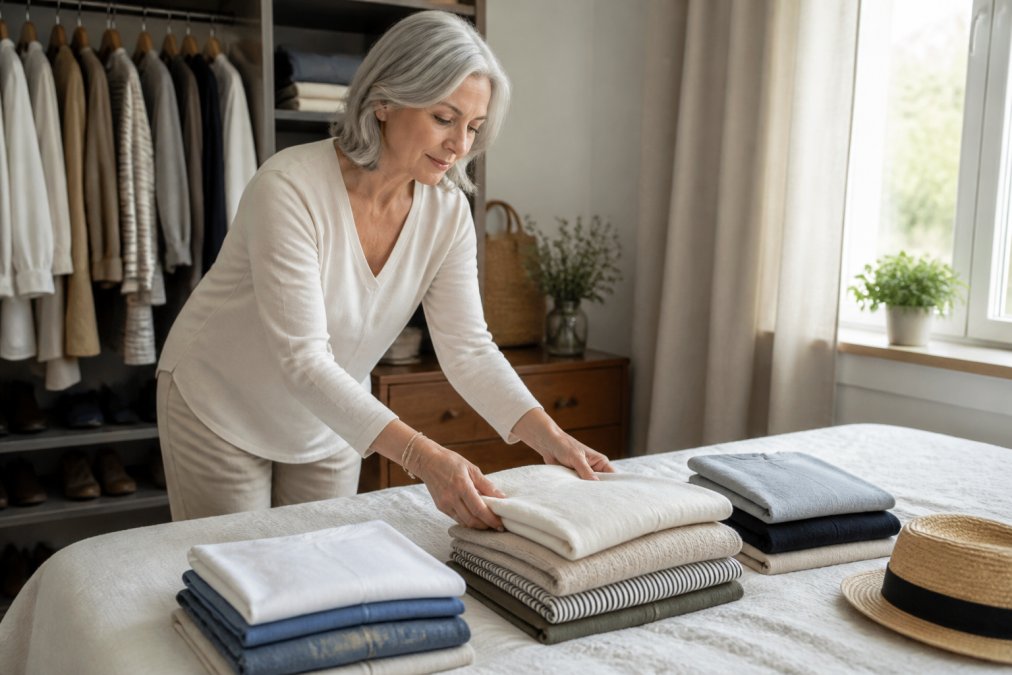
These pieces work together: a cream linen shirt pairs with navy trousers and a grey cardigan, layers under a midi dress, and the blazer works over everything. You're buying components that create 15-20 combinations.
Quality statement pieces matter too. A hand-drawn graphic hoodie with genuine humour, like those from brands focused on original design, becomes something you actually reach for repeatedly. It's comfortable, it fits well, and it makes you smile. That's the piece that genuinely lasts because you wear it constantly.
How to Care for Clothes to Make Them Last Longer
Wash less frequently. Spot-clean jeans and air them out; jumpers can go 4-5 wears before washing. This habit extends garment life because washing causes fading, pilling, and fabric breakdown.
Use cold water, hot water breaks down fibres and fades colours. Turn items inside out to protect prints. Use gentle detergent and skip fabric softener, which traps moisture and damages fibres.
Baaad Hair Rugged Hoodie | Funny →
Air-dry whenever possible. Tumble dryers weaken elastic, shrink natural fibres, and cause pilling. If you must use a dryer, use low heat and remove items while slightly damp.
Fold heavy items like jumpers; hangers stretch shoulders. Use wooden hangers for blazers and button-downs. Store in a cool, dry place away from direct sunlight. Cedar blocks or lavender sachets protect against moths.
| Care Step | Frequency | Impact |
|---|---|---|
| Wash in cold water | Every wash | Reduces fading and fibre breakdown |
| Air-dry instead of tumble-dry | Every wash | Prevents shrinkage and pilling |
| Turn items inside out | Every wash | Protects prints and colours |
| Spot-clean stains | As needed | Extends time between full washes |
| Fold heavy knits | Storage | Prevents shoulder stretching |
| Air garments between wears | 2-3 times per week | Reduces odour and bacteria |
Comfortable Statement Clothing for Everyday Wear
Comfortable statement clothing for everyday wear means pieces that fit your body now: higher waistbands, softer fabrics, sleeves that don't ride up, necklines that don't gape, and length that works for your proportions.
A well-fitted piece with personality becomes something you reach for repeatedly. That's where durability happens, you wear it constantly instead of letting it sit unworn.
The [Flocked Off! Rugged Hoodie(https://www.baaadflockers.com/products/flockin-lost-solo-rugged-hoodie-funny-walking-hoodie-baaad-flockers-r) from Baaad Flockers | baaadflockers.com/products/flocked-off-rugged-hoodie-funny-heavyweight-hoodie-baaad-flockers-r] exemplifies this approach: heavyweight fabric, original hand-drawn design, and a fit that works for real bodies. It's the kind of piece you wear for dog walks, countryside adventures, and casual weekends, and because it's genuinely comfortable and funny, you actually wear it.
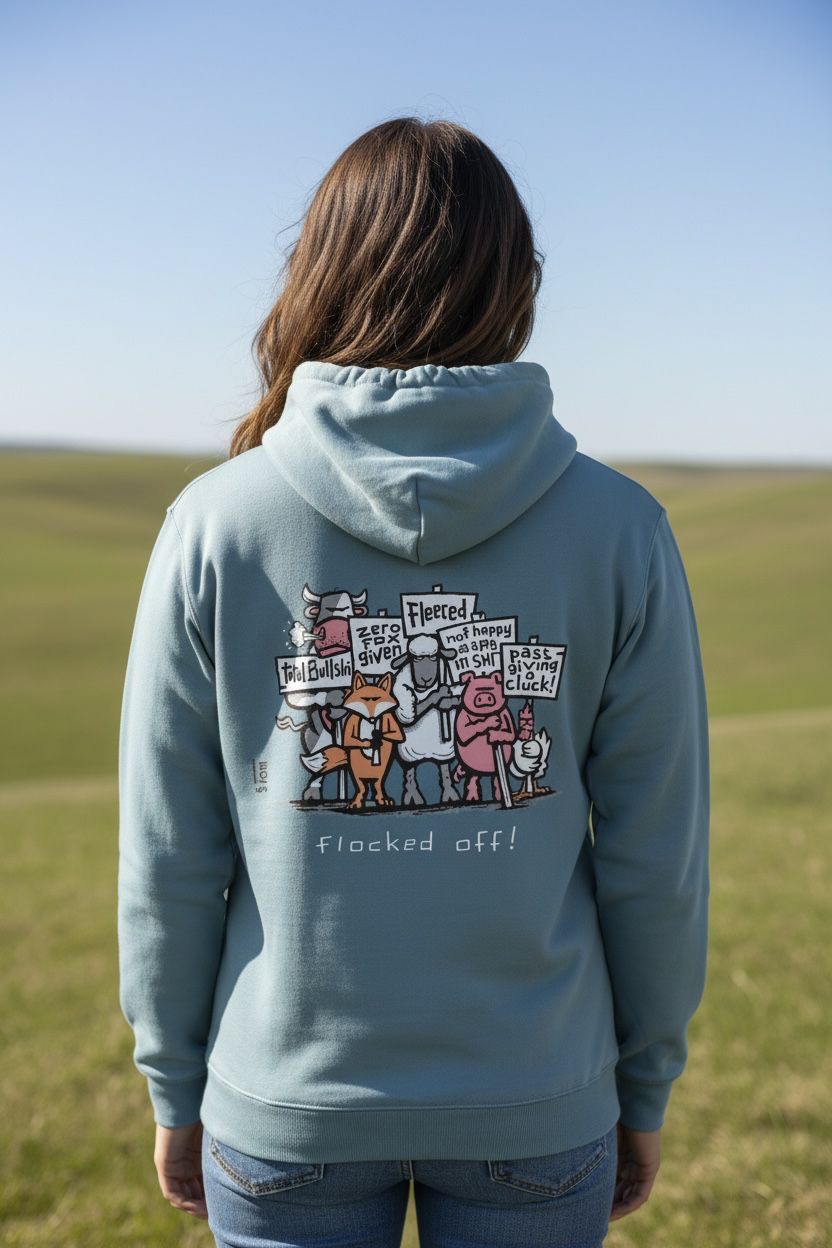
The key is fabric weight and construction. Lightweight, thin materials feel insubstantial and wear quickly. Heavyweight fabrics feel substantial, drape better, and last longer. A 250gsm cotton jersey will outlast a 150gsm one by years.
Cost-Per-Wear: Getting Real Value from Your Investment
A piece you wear 100 times costs less per wear than a piece you wear twice. That's the real math.
Cost-per-wear analysis changes how you think about investment pieces. A quality jumper that costs more upfront but lasts five years and gets worn twice a week delivers far better value than a cheap alternative you replace annually.
Calculate it this way: divide the price by the number of times you'll realistically wear it. A quality pair of trousers worn twice weekly for two years will deliver better value than a cheaper pair worn only a few times before they fall apart. The quality pair is actually cheaper in the long run.
This framework also helps you make better purchasing decisions. Before buying, ask yourself: "Will I wear this at least 30 times?" If the answer is no, reconsider. If the answer is yes, the price becomes less relevant than the durability.
Quality pieces from brands that prioritise construction and materials cost more upfront precisely because they're designed to be worn repeatedly.
Fit Considerations for Women Over 50
Your body has changed in specific, predictable ways. Your clothing should fit your body now, not the body you used to have or think you should have. Understanding these changes, and what they mean for fit, is the difference between a wardrobe that works and one that sits unworn.
Frequently Asked Questions
What fabrics are most durable for everyday clothing?
Natural fibres perform best for longevity. Organic cotton, linen, merino wool and silk offer excellent durability when properly cared for. Look for densely woven fabrics with higher thread counts, as they resist pilling and wear better over time. Blended fabrics combining natural fibres with small percentages of synthetic materials can improve elasticity and shape retention. Avoid cheap polyester blends, which degrade quickly and pill easily. Quality matters more than fibre type alone, a well-made cotton garment outlasts poorly constructed wool.
How can I build a durable capsule wardrobe after 50?
Start with neutral base pieces: quality button-down shirts, tailored trousers, simple jumpers and classic midi dresses in black, navy, white and beige. Choose timeless silhouettes over trendy cuts. Invest in one or two investment pieces made from premium natural fabrics rather than many cheap items. Select pieces that work together so each item creates multiple outfits. Prioritise fit and comfort over size labels. Add personality through statement pieces like graphic hoodies with original designs that reflect your sense of humour without trying too hard. This approach reduces decision fatigue and maximises wear.
How do I know if clothing will actually hold up better than cheaper alternatives?
Check fabric composition and weight, heavier, densely woven natural fabrics last longer. Examine seams (they should be straight and secure) and hems (double-stitched is better). Read customer reviews mentioning durability after multiple washes. Look for brands with transparent information about production methods and material sourcing. Ask about print durability and whether designs are screen-printed or digitally printed (quality digital printing resists cracking). Test the fabric yourself: stretch it gently and check if it springs back, indicating good elasticity.
What's the best way to care for clothes to make them last longer?
Wash less frequently, spot clean when possible and air garments between wears. Use cold water and gentle cycles for most items. Turn graphic prints inside out before washing to protect designs. Avoid fabric softener and excessive heat; air-dry whenever possible. Store items on hangers or folded flat depending on fabric weight. Repair small issues immediately: reattach loose buttons, mend small tears and fix loose seams before they worsen. Use proper hangers to maintain shoulder shape. Invest in quality detergent designed for delicate fabrics. These practices significantly extend garment life and preserve colour and print quality.