 listicle
Best Accessories for a Cozy Coffee Morning at Home
Table of Contents
- What Makes a Cosy Coffee Morning?
- Home Coffee Bar Accessories: Building Your Base
- Coffee Station Essentials for Every Brew Method
- Mugs, Cups, and Tumblers for Slow Mornings
- Why a Milk Frother for Coffee Changes Everything
- Cosy Coffee Corner Ideas for Small Kitchens
- Care, Cleaning, and Making Your Accessories Last
- Conclusion
- Frequently Asked Questions
Last Updated: October 15, 2026
What Makes a Cosy Coffee Morning?
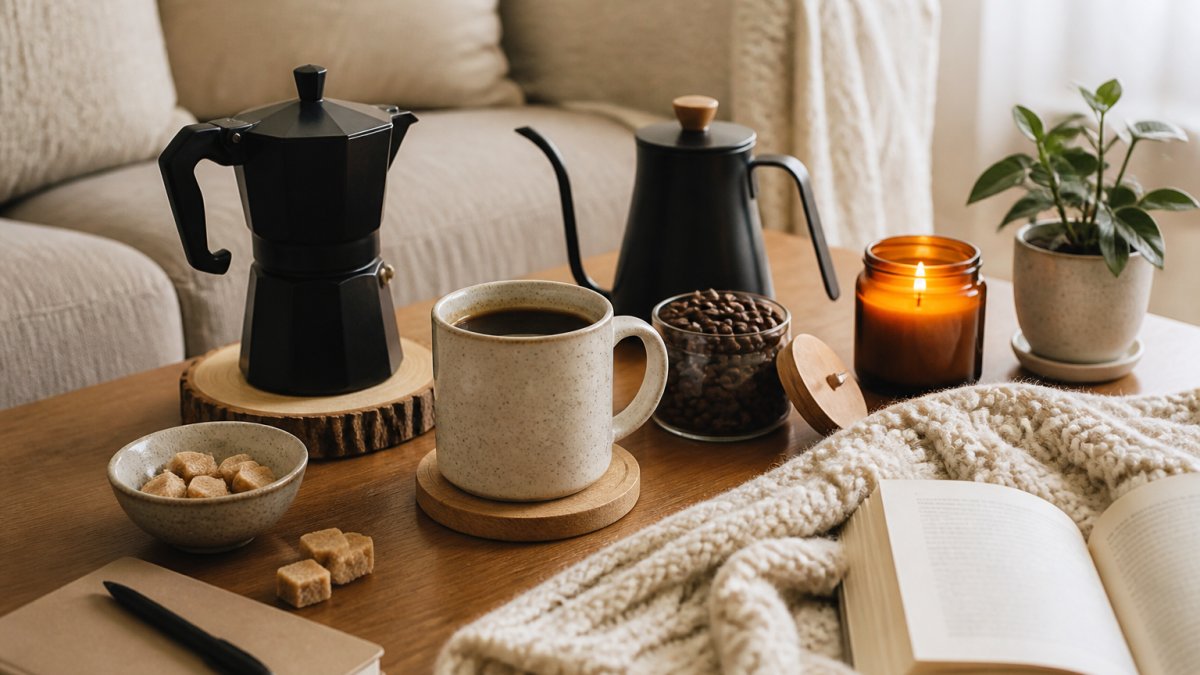
A cozy coffee morning is a slow start built around a properly made cup of coffee, a warm corner, and accessories that make the ritual feel deliberate.
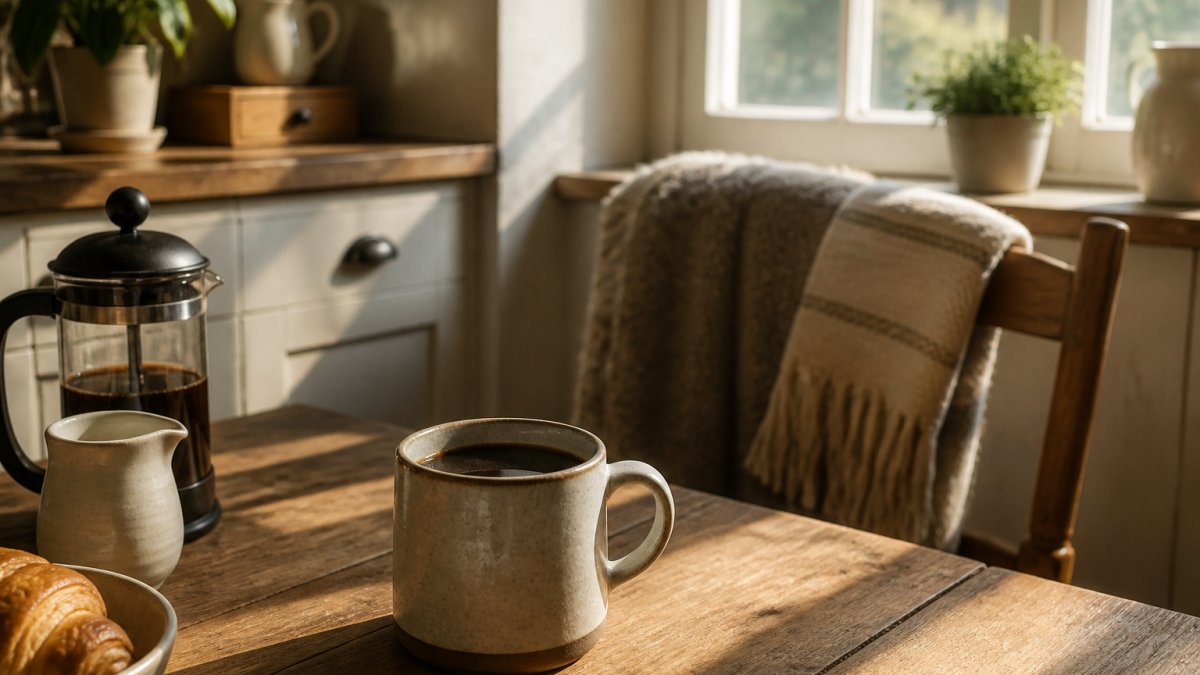
You can spend a fortune on a machine and still drink it standing over the sink.
Below, we break down the accessories worth owning, organised by what they do, so you can build a cosy coffee morning setup without buying things you will never touch.
Home Coffee Bar Accessories: Building Your Base
Home coffee bar accessories are the items you leave out permanently: storage, a tray or mat, a mug you like, and somewhere to put the spoon. Start with storage, because stale coffee ruins everything else.
Storage That Keeps Coffee Fresh
Coffee loses its best flavours once it meets air, light, and moisture. An airtight container is the cheapest upgrade to your morning cup.
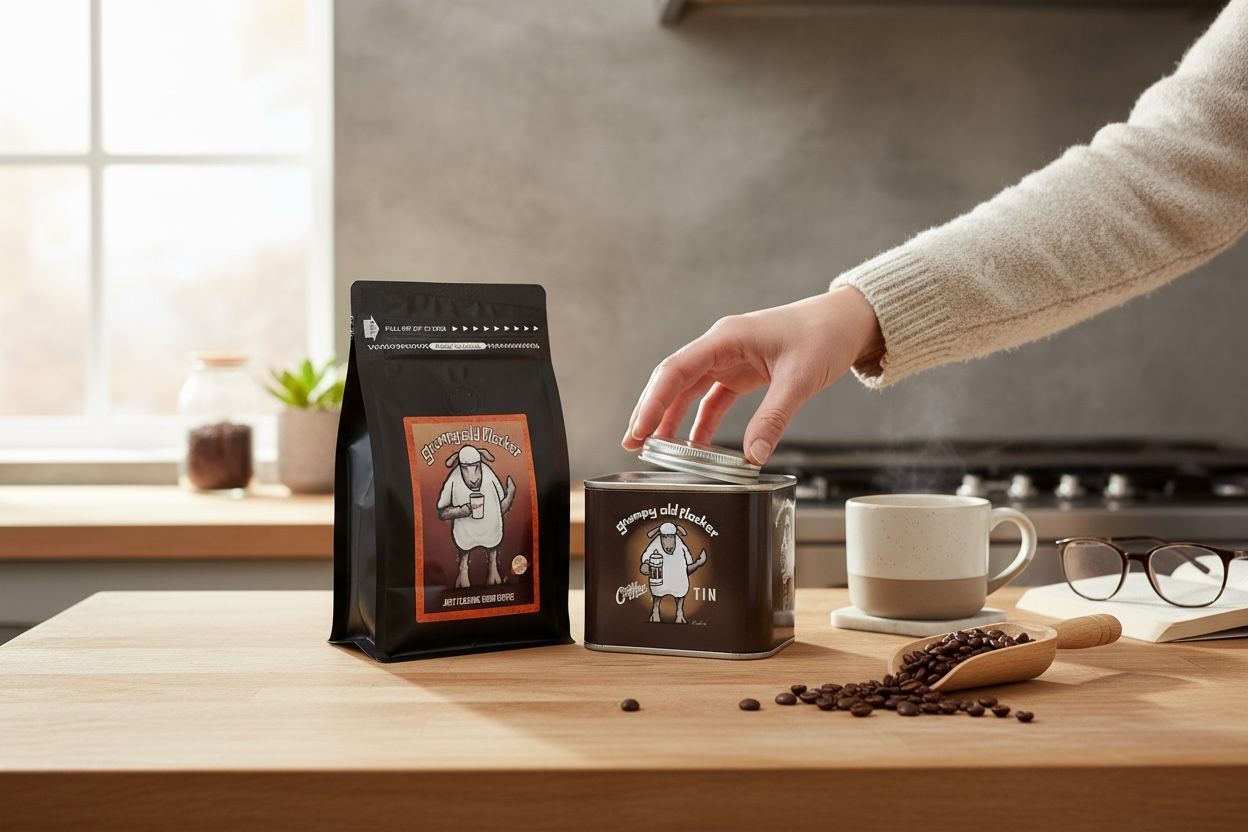
Our Funny Coffee Storage Tins come in small, medium, and large, with an airtight seal for beans, ground coffee, or instant. They are reusable too, so once the coffee runs out the tin can take on tea, biscuits, or the odds and ends colonising your worktop.
What to look for in any storage tin:
- Airtight seal that you can feel close properly, not just click
- Opaque body so light cannot get at the beans
- A size that matches how fast you drink coffee, not how much you can carry
Coffee Station Essentials for Every Brew Method
Coffee station essentials change depending on how you brew. A cafetière needs almost nothing; a machine needs a bit more. Matching accessories to your method saves money and counter space, and understanding why each method needs what it does helps you build a setup that fits your kitchen, budget, and morning energy. Investing in durable, high-quality premium coffee accessories elevates the ritual of your daily brew while ensuring that every tool serves a specific purpose in your curated morning routine.
Cafetière, Filter, or Machine: Matching Tools to Your Brew
Here is how the core kit differs by method, with the mechanism behind each accessory:
| Brew Method | Core Accessories | Why You Need It | Skip These | Best For |
|---|---|---|---|---|
| Cafetière | Coarse ground coffee, storage tin, timer, mug | Coarse grind stops the mesh clogging; a timer prevents over-extraction and bitterness | Tamper, fine scale | Slow, unfussy mornings |
| Filter | Filter papers, gooseneck kettle, scale, carafe | Gooseneck gives a controlled pour; a scale keeps the water-to-coffee ratio consistent | Tamper, frother | Lighter, brighter cups |
| Espresso machine | Tamper, fine scale, milk jug, knock box | Tamping creates an even puck so water flows evenly; a knock box keeps the counter clean | Filter papers | Milk drinks and short shots |
| Instant | Kettle, spoon, storage tin, mug | Nothing else changes the cup; the tin keeps the granules fresh | Grinder, scale | Speed above all else |
If you brew with a cafetière, our Grumpy Old Flocker Ground Coffee is ready to use, so there is nothing to grind or guess. Prefer to grind fresh? The 250g bean version gives you more control.

Small-Space Setups: Renters and Compact Kitchens
Most guides assume a dedicated coffee bar; most kitchens do not have one. If you rent, or your worktop is measured in centimetres, claim one small, fixed patch and keep everything else stored.
- The tray station: one tray holding tin, grinder, and mug, lifted away when you need the surface back. A tray also contains spills and makes the setup feel intentional.
- The shelf stack: tins and mugs on a wall shelf above the kettle. Use command hooks if you cannot drill.
- The cupboard door: hooks inside a cupboard door for a frothing wand and measuring spoons, the best renter trick, with zero damage and zero worktop cost.
The rule for small spaces: if you have not used it in a week, it does not live on the worktop.
Budget Tiers: What to Buy First, Second, and Last
You do not need everything at once. A sensible order of spending:
- First: airtight storage tin, a mug you like, and a timer. These three change the cup more than any gadget.
- Second: a scale and gooseneck kettle for filter, or a handheld frother for milk drinks. These add consistency.
- Third: a grinder, then a machine. A grinder improves every method; a machine only improves one.
The most common mistake is buying the machine first and the grinder last. Freshly ground coffee in a cheap cafetière beats stale grounds in an expensive machine almost every time.
Accessibility and Ease of Use
A cosy morning should not require grip strength or fine motor control. If you have arthritis, reduced mobility, or want a lower-effort routine, look for:
- Ergonomic handles on mugs and carafes, wider, rounded handles are easier to hold than thin loops.
- Simple controls, a cafetière or filter cone needs no programming, descaling cycle, or learning curve.
- Lightweight carafes, glass is heavier than it looks when full; a smaller carafe is easier to pour.
The best accessory is the one you can use comfortably every day, not the one with the most features.
A Complete, Coordinated Morning Setup
If you want the whole thing to feel like a ritual rather than a collection of objects, think in layers:
- Drinkware: one mug for slow mornings, one tumbler for the days you leave.
- Brewing: the tools your method actually needs, nothing more.
- Storage: an opaque, airtight tin sized to how fast you drink.
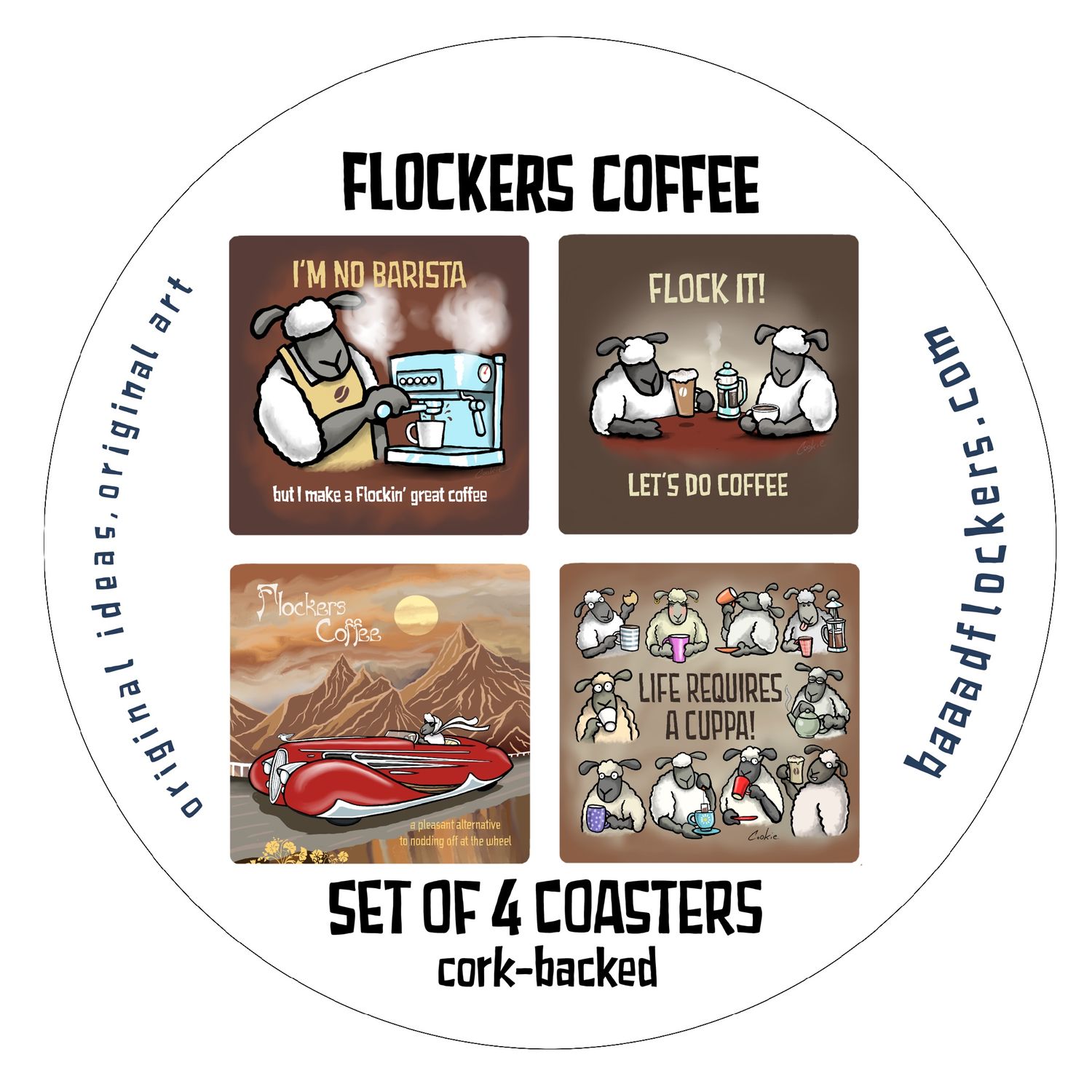
Our Flockers Coffee Coaster Gift Set brings four funny coffee-themed designs to the table, each around 9 x 9cm, a practical size for mugs, cups, and glasses. A coaster is a small thing, but it makes a station feel finished rather than improvised.
Mugs, Cups, and Tumblers for Slow Mornings
The mug is the accessory you touch most, so it deserves more thought.
Ceramic mugs hold warmth well and suit a slow morning at the table. Double-wall glass cups look smart and let you see the brew, though they cool faster.
Why a Milk Frother for Coffee Changes Everything
A milk frother turns plain black coffee into something that tastes like it came from a café, which is why it is the accessory most people wish they had bought sooner. A handheld wand costs very little, takes seconds, and works with any milk in the fridge. The difference between disappointing froth and silky froth comes down to three things: milk choice, temperature, and technique.
How Milk Type Changes the Froth
Not all milk froths the same way, the difference is protein and fat content. Here is what most people find:
Funny Coffee Storage Tins | Airtight Coffee Canisters | Baaad Flockers® →
- Whole milk produces the thickest, most stable foam because its fat and protein give the bubbles structure.
- Semi-skimmed froths well and is the everyday compromise most kitchens already have.
- Skimmed milk froths easily but the foam is airier and collapses faster.
The practical takeaway: for café-style foam without experimenting, start with whole or barista-style oat milk.
The Temperature Rule That Saves Your Froth
Milk froths best when it starts cold or fridge-cold, not warm. Cold milk gives proteins time to trap air before they denature; warming it first shrinks the window for good foam.
A common pattern is to froth cold milk directly, then let the foam sit while you pour your shot. If you prefer warm milk, heat it gently, never to a rolling boil, and never in a mug straight from the microwave without checking it first.
Handheld Wand vs Steam Wand vs Electric Frother
There are three main routes, and they suit different kitchens:
| Type | How it works | Best for | Trade-off |
|---|---|---|---|
| Handheld wand | Battery or USB, whisk head spins near the surface | Small kitchens, occasional use, low cost | You control the angle and timing; results vary with technique |
| Steam wand | Built into an espresso machine, injects steam | Daily lattes, precise texture | Needs a machine; takes practice to avoid scalding |
| Electric jug frother | Heats and whisks in one vessel | Hands-off mornings, consistent results | Bulkier; harder to clean the base |
If your kitchen is tight, start with a wand. If you make two lattes every morning, the electric jug or steam wand earns its space.
Cleaning: The Step That Decides Whether You Keep Using It
Milk residue is the enemy of good froth. A wand head left unrinsed develops a film that tastes sour and kills foam. Rinse the whisk under hot water immediately after use, and once a week give it a deeper clean with warm soapy water.
The accessories that last are the ones you clean without thinking. A frother you rinse in ten seconds stays in rotation; one that needs dismantling gets left in the drawer.
Why This Matters for a Cosy Morning
A frother is not just a gadget, it turns a functional cup into a small ritual. The few seconds of whisking, the pause while the foam settles, the spoon you use to dollop it on top: these micro-moments make a morning feel deliberate rather than rushed. You do not need a café-grade machine, just a wand, cold milk, and a mug you like holding.
Cosy Coffee Corner Ideas for Small Kitchens
Cosy coffee corner ideas work best when you claim one small, fixed patch rather than spreading kit across the whole worktop. A tray, a shelf, or the top of a microwave is enough.
Try these setups:
- The tray station: one tray holding tin, grinder, and mug, lifted away when you need the surface back
- The shelf stack: tins and mugs on a wall shelf above the kettle, keeping the worktop clear
- The cupboard door: hooks inside a cupboard door for a frothing wand and measuring spoons
Add texture to make it feel cosy rather than clinical. Our Flockers Coffee Coaster Gift Set brings four funny coffee-themed designs to the table, each around 9 x 9cm, which is a practical size for mugs, cups, and glasses.
Care, Cleaning, and Making Your Accessories Last
Cleaning is the part nobody enjoys and everybody skips, and it is the main reason coffee gear underperforms. Oils from coffee build up on grinders, cafetières, and mugs, and turn bitter over time.
A workable routine:
- Daily: rinse the cafetière or filter cone and wash your mug
- Weekly: wash storage tins and let them dry fully before refilling
- Monthly: deep clean the grinder and descale the kettle or machine
Storage tins need the same attention. Empty them fully, wash them, and make sure they are completely dry before the next bag goes in.
Conclusion
Building a cosy coffee morning is less about spending and more about choosing a handful of accessories you will use every day.
At Baaaad Flockers, we have spent over 30 years designing original, hand-drawn pieces, and we bring the same approach to our coffee range.
Explore our coffee range and build a morning worth waking up for.
Frequently Asked Questions
What accessories do you need for a home coffee bar?
Start with airtight storage tins for beans or ground coffee, a reliable grinder if you buy whole beans, and a set of scales for consistent dosing. Add ceramic mugs, coasters to protect surfaces, and a milk frother if you enjoy lattes or cappuccinos. A cafetière or filter setup completes the basics. Baaad Flockers offers funny coffee storage tins in three sizes, plus mugs and coasters that bring personality to your cozy coffee morning setup without sacrificing practicality.
How can I make my morning coffee feel more special?
Small touches make a big difference. Use a mug you actually enjoy holding, like the How Do You Like Your Coffee? Mug from Baaad Flockers. Add a coaster with original artwork. Keep your beans fresh in an airtight tin rather than the bag they came in. If you have time, froth your milk properly instead of pouring it cold. These details turn a rushed caffeine hit into a proper cozy coffee morning ritual you look forward to.
What should I put in a coffee station at home?
A well-organised coffee station holds your beans or ground coffee in airtight tins, your brewing equipment (cafetière, filter, or machine), mugs within easy reach, and coasters to protect the surface. Add a small container for sugar or sweetener if you use it, and a cloth for spills. Baaad Flockers coffee storage tins come in small, medium, and large, so you can match the size to your counter space and how much coffee you get through each week.
Are milk frothers worth having at home?
If you drink lattes, cappuccinos, or flat whites, yes. A milk frother for coffee lets you create café-style foam without leaving the house. Handheld frothing wands are affordable and easy to store, while electric steamers heat and froth in one step. Either way, you get warmer, creamier milk that makes your morning brew feel more considered. It is one of the simplest upgrades to a cozy coffee morning routine.
How do I create a cosy coffee corner in a small kitchen?
You do not need much space. A single shelf or a corner of the worktop works fine. Keep your essentials together: storage tins, mugs, and your brewing method of choice. Add a coaster or two for personality. Baaad Flockers coffee tins are reusable and refillable, so they earn their place even in tight kitchens. The goal is a dedicated spot that signals coffee time, not a sprawling setup that takes over the room.