 listicle
Are Premium Coffee Beans Worth It? The Honest Verdict
Table of Contents
- The Short Answer: When Premium Coffee Beans Are Worth It
- Specialty Coffee vs Supermarket Coffee: What Changes
- How to Identify High Quality Coffee Beans
- Benefits of Buying Freshly Roasted Coffee
- The Real Cost: Premium Coffee Beans Price Per Cup
- The Diminishing Returns Threshold: How Much Is Too Much?
- Try It Yourself: A Simple Blind Taste Test
- Conclusion: Splash Out or Stick With Supermarket?
- Frequently Asked Questions
Last Updated: September 8, 2026
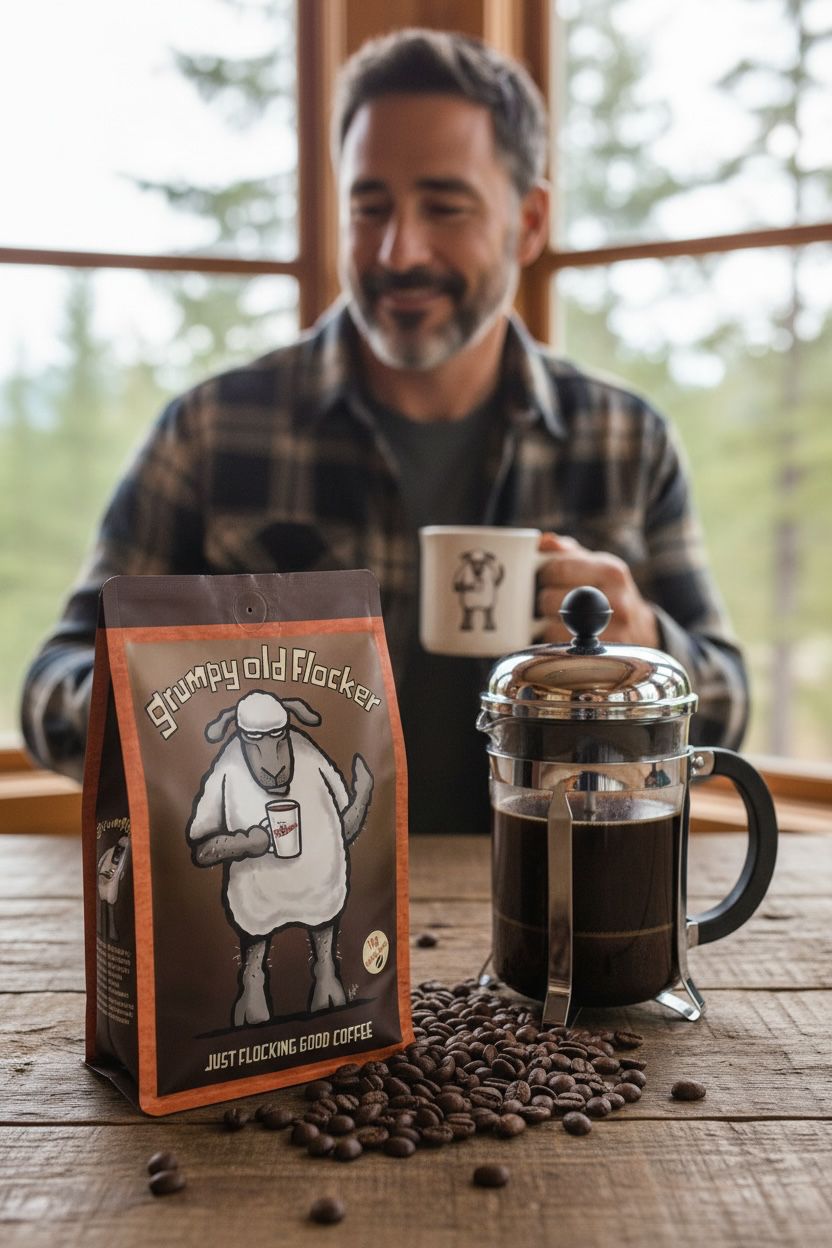
The short answer? Sometimes. Premium coffee beans are worth it when you actually taste the difference, but there's a point where you're paying for a label rather than a better cup. At Baaaad Flockers, we offer our Grumpy Old Flocker beans, and we've spent plenty of time thinking about what separates a genuinely better brew from an overpriced bag of hype.
Most people assume that paying more automatically means better coffee. That's not how it works. The gap between cheap supermarket coffee and freshly roasted specialty beans is real, but it's narrower than you might think once you understand what actually drives flavour.
The Short Answer: When Premium Coffee Beans Are Worth It
Premium coffee beans are worth it if you drink your coffee black, use a brewing method that extracts flavour properly, and buy beans roasted within the last few weeks. If you load your cup with milk and sugar, or you're using an old bag that's been sitting in the cupboard for months, you won't notice the difference.
The real value isn't in the beans themselves. It's in freshness and how they're processed. A cheap bean roasted last week will often beat an expensive bean roasted six months ago. That's the secret the marketing doesn't tell you.
Specialty Coffee vs Supermarket Coffee: What Changes
Specialty coffee and supermarket coffee differ in three fundamental ways: the quality of the raw beans, how they're processed, and how fresh they are when they reach you. Commodity coffee is often grown at lower altitudes, harvested by machine, and processed quickly in massive batches. Specialty-grade beans are typically grown at higher altitudes, picked by hand when ripe, and processed with more care.
The flavour difference comes from the processing method. Washed process coffees tend to be cleaner and brighter, natural process coffees are fruitier and heavier, and honey process sits somewhere in between. Supermarket blends rarely tell you which method was used because they're blending beans from dozens of sources to hit a consistent, generic flavour profile.
The SCA Score and What It Actually Tells You
The Specialty Coffee Association scores beans on a 100-point scale. Anything scoring 80 or above qualifies as specialty-grade (sca.coffee). That score is assigned by trained Q graders who evaluate aroma, flavour, aftertaste, acidity, body, and balance through a process called cupping.
Here's what the SCA score doesn't tell you: whether you'll actually like it. A coffee scoring 85 with heavy fruit notes might taste worse to you than a solid 80 with classic chocolate and nut flavours. Use the score as a quality floor, not a taste predictor.
How to Identify High Quality Coffee Beans
Look for three things when evaluating beans: the roast date, the origin, and the processing method. A roast date printed on the bag is the single strongest indicator of quality. If there's no roast date, only a best-before date, the roaster is treating coffee like a shelf-stable product rather than fresh produce.
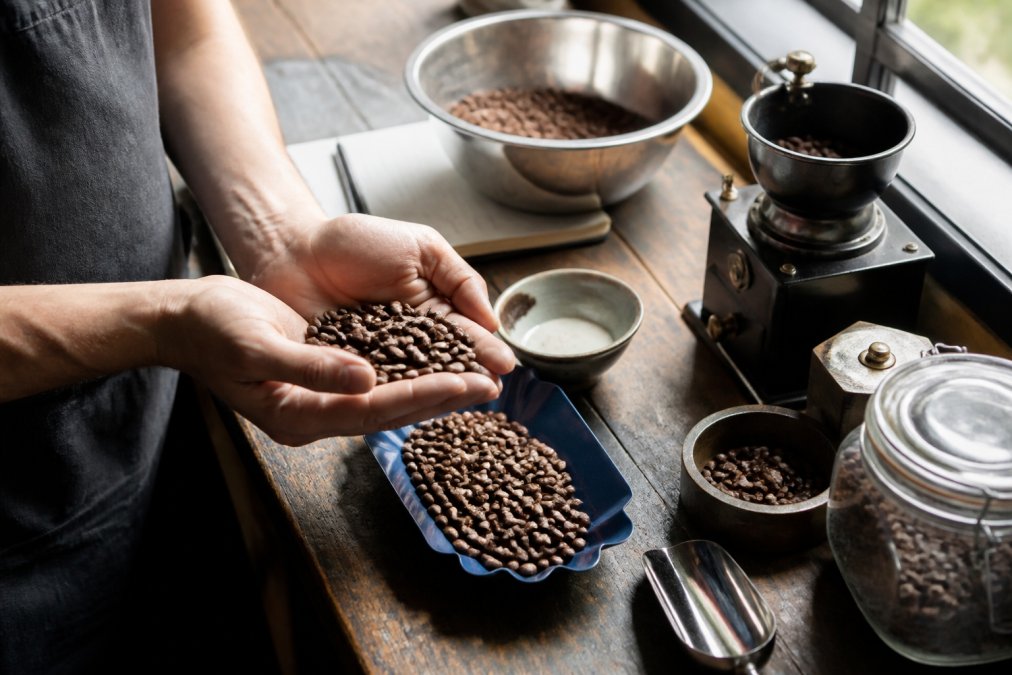
Whole beans should look uniform in size and colour, with a matte surface rather than an oily sheen. Oily beans usually mean they've been roasted dark to mask defects in lower-quality coffee. High-quality beans have a pleasant, sweet aroma when you open the bag, not a burnt or flat smell.
Roast Date, Origin, and Processing Method
Single-origin beans come from one farm or region, which makes the flavour profile easier to trace and verify. Blends can be excellent, but they give roasters room to hide cheaper beans. Look for the specific farm or cooperative named on the bag, not just a country.
Ethical sourcing matters here too. Direct trade and fair trade certifications indicate the farmer received a better price than commodity market rates. Traceability from farm to bag is a good sign that the roaster cares about quality at every stage. If you want to dig deeper, the Specialty Coffee Association's guide to coffee grading explains the full scoring criteria.
Benefits of Buying Freshly Roasted Coffee
The reason freshly roasted coffee tastes better isn't marketing, it's chemistry. Roasted coffee beans contain over 800 volatile aromatic compounds responsible for the flavours you perceive. These compounds are fragile. They begin oxidising the moment the bean exits the roaster, and the process accelerates dramatically once the bean is ground.
Here's the timeline most roasters work with. In the first 24 to 72 hours after roasting, beans undergo 'degassing,' releasing carbon dioxide. The sweet spot for brewing is generally between 4 and 14 days post-roast. After about three to four weeks, the aromatic profile starts to flatten noticeably. By eight weeks, even a premium bean will taste muted compared with a modest bean roasted last week.
This degradation curve is steeper for premium beans in one specific way: the flavours you paid for, the delicate fruit notes, the complex acidity, are the first to fade. What remains is a generic, slightly flat coffee. A cheap, dark-roasted commodity bean has fewer delicate compounds to lose, and its flavour profile is built on roast character, which is more stable over time. So the gap between premium and commodity narrows as the bag ages, meaning the premium buyer has more to lose from poor storage.
Ground coffee degrades even faster. Grinding increases the surface area exposed to oxygen by a factor of hundreds. A bag of pre-ground coffee can lose its peak flavour within hours of opening, not weeks. That's why buying whole beans and grinding immediately before brewing is the single highest-impact habit you can adopt.
How to Store Coffee to Protect Your Investment
The enemies of fresh coffee are oxygen, light, heat, and moisture, in that order. Here's what the evidence and roaster practice suggest:
- Keep beans in an airtight container. The original bag with a one-way valve is actually excellent, as it lets CO2 escape without letting oxygen in. If you transfer to a canister, make sure it seals properly.
- Store away from light and heat. A cool, dark cupboard is fine. Avoid the countertop next to the kettle or the windowsill.
- Don't refrigerate or freeze beans you're using daily. Condensation introduces moisture, which accelerates staling. Freezing can work for long-term storage if beans are sealed in an airtight bag and you grind from frozen, but it's unnecessary for a bag you'll finish in three weeks.
- Buy the right size. If you drink one cup a day, a 250g bag lasts about two and a half weeks, within the freshness window. If you drink two cups a day, a 1kg bag will last about a month, which is borderline. Buy smaller bags more frequently if you can.
The practical upshot: if you're buying premium beans, you're also buying a commitment to drink them within three to four weeks of the roast date. If you can't do that, you're better off with a cheaper bag, not because the premium beans aren't better, but because you won't experience the difference.
The Real Cost: Premium Coffee Beans Price Per Cup
Most articles about premium coffee talk about value in vague terms like 'worth the splurge.' That's not helpful. Let's do the actual maths so you can see what the upgrade really costs per cup.
A standard cafetiere or filter brew uses roughly 15 grams of coffee per cup. That means a typical 250g bag yields around 16 cups. A 1kg bag, which many specialty roasters now offer, yields around 66 cups. These figures hold true whether you're brewing supermarket own-brand or a microlot from a celebrated farm, the dose doesn't change.
Now let's compare realistic price bands in the UK market. A supermarket own-brand bag of medium roast, often 227g or 250g, typically sells for around £3 to £4. A solid, freshly roasted specialty bag from a UK roaster typically lands between £8 and £12 for 250g. At the extreme end, a rare, competition-winning microlot might cost £25 or more for 250g.
Here's the conversion hook: spread across 16 cups, that £8 to £12 specialty bag adds roughly 31p to 50p per cup compared with the supermarket option. That's less than the price difference between a supermarket value tea bag and a premium pyramid teabag. It's a fraction of what you'd pay for the upgrade from a high-street flat white to a speciality coffee shop version.
Even the £25 microlot works out to roughly £1.56 per cup, still cheaper than the average takeaway coffee, which now costs around £3.50 in most UK cities. So the real question isn't 'can I afford premium beans?' It's 'am I wasting the potential of those beans through poor storage or stale stock?'
The honest caveat: the cost-per-cup argument only works if you actually finish the bag. If you buy a 250g bag of £10 beans and use 100g before they go stale, your effective cost per cup doubles.
The Diminishing Returns Threshold: How Much Is Too Much?
There's a clear point where spending more stops improving the cup. Moving from commodity coffee to freshly roasted specialty beans delivers a dramatic improvement. Moving from an 84-point coffee to an 88-point coffee delivers a subtle improvement. Moving from an 88 to a 92 might be imperceptible to most drinkers.
The diminishing returns threshold sits around the point where you're paying for rarity rather than quality. A rare, microlot coffee from a celebrated farm can cost several times more than a solid specialty blend, but the flavour difference is marginal. You're paying for the story and the scarcity, not a better cup.
If you're new to specialty coffee, start with a well-rated blend rather than chasing expensive single-origin beans. Learn what you like first, then experiment. Most people find their sweet spot in the middle of the price range.
Try It Yourself: A Simple Blind Taste Test
You don't need to trust anyone's opinion, including ours. Set up a blind taste test at home and let your own palate decide. Buy a bag of your usual supermarket coffee and a bag of freshly roasted beans, then brew both the same way without knowing which is which.
Use the same grind size, water temperature, and brewing method for both. The UK Coffee Association's brewing guidance recommends a ratio of roughly 60 grams of coffee per litre of water for a balanced extraction. Brew both cups, label them A and B, and taste them side by side.
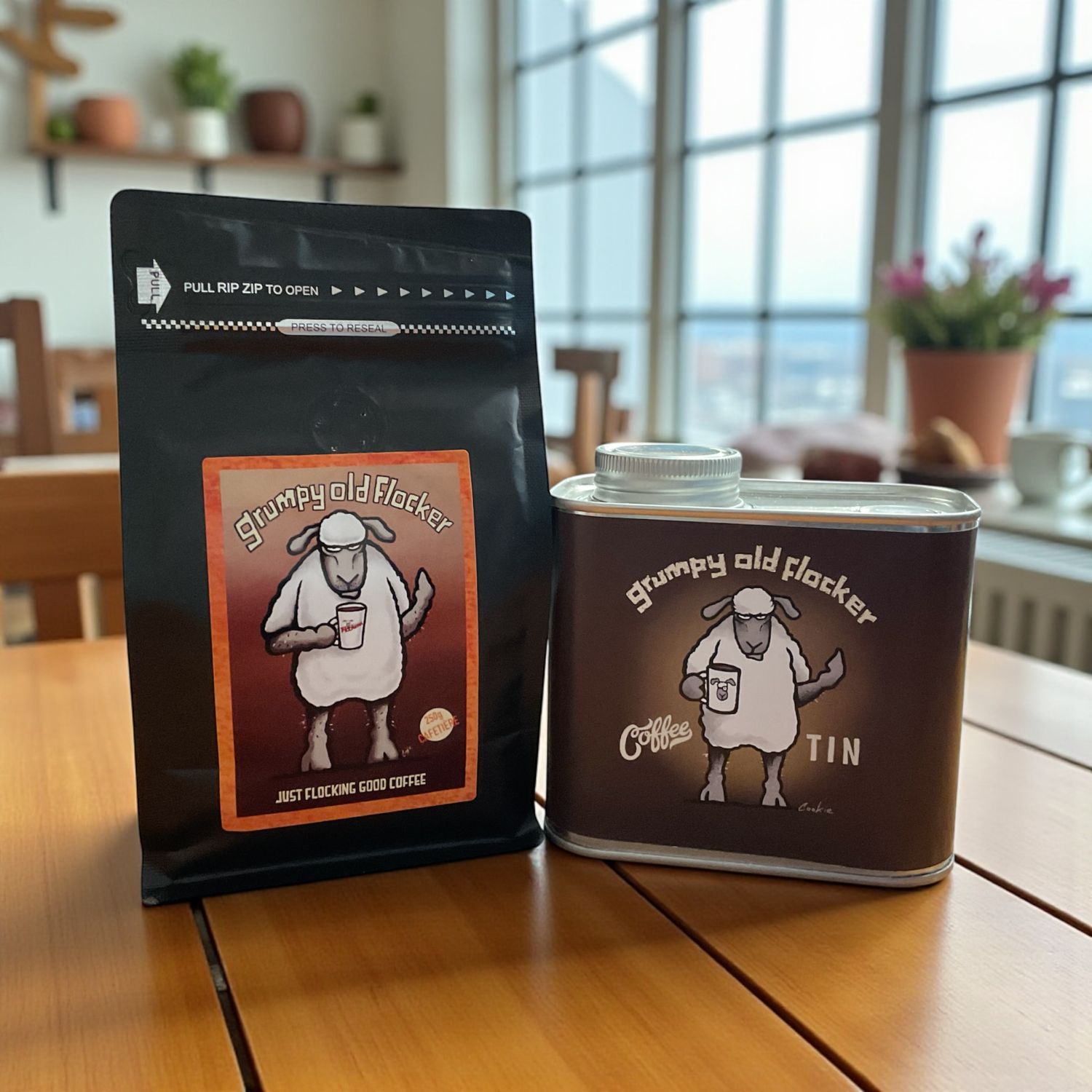
Score each cup on aroma, flavour, acidity, body, and aftertaste. If the premium beans win clearly, you have your answer. If you can't tell the difference, you've just saved yourself money. Both outcomes are valuable. You can also compare our Flockers | Grumpy Old Flocker Coffee | Beans | 250g against your usual supermarket brand this way.
Conclusion: Splash Out or Stick With Supermarket?
Premium coffee beans are worth it if you value freshness, drink coffee black, and want to support ethical sourcing and traceability. They're not worth it if you're adding lots of milk and sugar, storing beans poorly, or buying bags you won't finish before they go stale.
The honest verdict is that most people benefit from upgrading their supermarket coffee to something freshly roasted, but few benefit from chasing the most expensive beans on the shelf. Find a solid specialty option, drink it fresh, and stop there.
At Baaaad Flockers, we bring the same care to our coffee as we do to our designs: quality you can taste, with a sense of humour you can wear. Our Grumpy Old Flocker beans are roasted fresh in 250g bags, and we also offer a cafetiere-ground version if you prefer ready-to-brew grounds. With easy, free 60 day returns, there's no risk in trying a bag for yourself.
Frequently Asked Questions
What is the difference between specialty and commercial grade coffee?
Specialty coffee scores 80 or above on the Specialty Coffee Association (SCA) 100-point scale. Commercial or commodity coffee scores below that. The score reflects bean quality, processing, and cup profile. Specialty beans are usually single-origin or small-batch roasted, with visible traceability to the farm. Commercial beans are typically blended for consistency and mass-produced. For premium coffee beans, the difference shows up in flavour clarity, acidity, body, and aftertaste. If you drink black coffee, that difference is obvious. With milk and sugar, it becomes less noticeable.
How can you tell if coffee beans are high quality?
Check the roast date first. High quality beans carry a roast date, not just a best-before date. Look for whole beans with an even colour, no oily sheen (unless dark roasted), and a strong aroma. The bag should name the origin, processing method, and ideally an SCA score. Grind a few beans and smell them. Fresh beans smell sweet and fruity or nutty. Stale beans smell flat or dusty. After brewing, quality beans give a clean finish with no harsh bitterness.
Does the roast date of coffee beans really matter?
Yes. Coffee is at its best between 4 and 30 days after roasting. Before day 4, beans need to degas. After 30 days, flavour compounds fade quickly. Supermarket coffee often sits on shelves for months after roasting, which is why it tastes flat. Benefits of buying freshly roasted coffee include brighter acidity, more aroma, and a sweeter cup. Buy whole beans and grind just before brewing. Store them in an airtight tin away from light and heat, and buy only what you will use in two to three weeks.
How should you store premium coffee beans to maintain freshness?
Keep beans in an airtight container, away from light, heat, and moisture. Do not refrigerate or freeze beans you use daily, as condensation damages them. A sealed tin with a one-way valve works well. Buy in smaller quantities, like a 250g bag, so beans do not sit around losing flavour. Grind only what you need for each brew. Whole beans stay fresh longer than ground coffee. If you want the best from premium coffee beans, treat storage as part of the ritual, not an afterthought.
Premium coffee doesn't have to be a serious, joyless pursuit. Whether you're brewing a careful pour-over or just need a strong cup before you face the day, a good bag of beans makes the ritual better. Explore our coffee range and find your next favourite brew.