 listicle
Alternatives to Mass Produced Graphic Apparel
Table of Contents
- Why Mass-Produced Graphic Apparel Falls Short
- How to Spot High-Quality T-Shirts That Actually Last
- Sustainable Graphic T-Shirt Brands Worth Your Money
- Slow Fashion Graphic Tees: Quality Over Speed
- What Independent Designers Offer That Mass Production Cannot
- Building a Capsule Wardrobe With Statement Pieces
- Upcycling and Care: Making Your Graphic Apparel Last
- Conclusion
- Frequently Asked Questions
Last Updated: October 1, 2026
Why Mass-Produced Graphic Apparel Falls Short
Mass-produced graphic apparel prioritises speed and cost over durability, resulting in prints that crack, seams that unravel, and fabric that shrinks unpredictably.
Mass production treats graphic t-shirts as disposable, generic designs on thin cotton, designed to last one season. Buyers end up replacing them constantly, spending far more over time than they would on alternatives to mass produced graphic apparel that actually hold up.
Exploring alternatives to mass produced graphic apparel isn't about paying more upfront, it's about getting real value: garments that look better, feel better, and last long enough to justify the investment.
How to Spot High-Quality T-Shirts That Actually Last
Quality graphic t-shirts reveal themselves in three details: fabric weight, stitch construction, and print method.
Premium t-shirts use heavyweight cotton or cotton-blend fabrics, typically 180gsm or higher. Hold it in your hands, it should feel substantial and resist when stretched gently. Thin, papery fabric signals durability wasn't a priority.
Quality stitching sits flat and even along seams. A taped neck, where the collar is reinforced with extra fabric, signals the maker expects the garment to survive repeated washing.
Digital printing on quality fabric holds up better than cheap screen-printing. Look for crisp, clear edges that don't flake when pressed gently. The best prints become softer with washing, not worse.
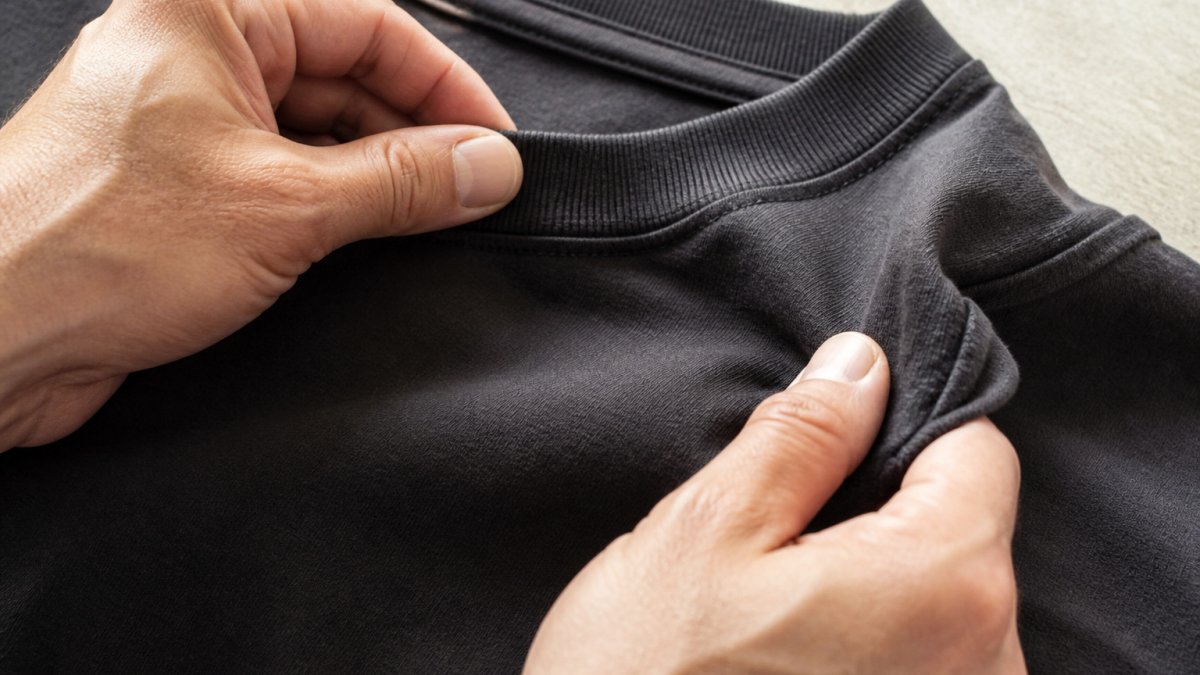
Check finishing touches: ribbed collars and properly sealed sleeve hems signal quality was engineered in from the start.
| Quality Marker | What It Means | What to Look For |
|---|---|---|
| Fabric Weight | Durability and longevity | 180gsm or higher |
| Seam Construction | Resistance to unravelling | Flat, even stitching with reinforcement |
| Print Method | Print retention through washing | Crisp edges, no flaking or peeling |
| Collar Finish | Neck durability | Taped or ribbed, not raw-edged |
| Sleeve Hems | Overall construction quality | Properly sealed, not frayed |
Sustainable Graphic T-Shirt Brands Worth Your Money
Distinguishing authentic sustainability from greenwashing requires understanding certifications, production transparency, and material sourcing.
Sustainable brands use organic cotton or recycled fibres, pay fair wages, and print on demand. The real differentiator is transparency in supply chain, certifications, and manufacturing practices.
Reading Sustainability Claims: What Actually Matters
Look for third-party certifications rather than self-declared claims. GOTS (Global Organic Textile Standard) is the most rigorous for organic cotton, verifying fibre production and manufacturing conditions through independent audits.
Fair Trade Certified indicates workers are paid above minimum wage and work in safe conditions. If a brand claims ethical production but lacks certification, ask why.
"Recycled" can mean post-consumer waste (old clothing) or post-industrial waste (factory scraps). Brands should specify the percentage and source of recycled material.
Carbon footprint claims should specify calculation methodology, manufacturing only, or including shipping and packaging. Credible brands publish full lifecycle assessments.
Verifying Supply Chain Transparency
The most reliable indicator of genuine sustainability is supply chain transparency. Ask these questions:
Where is the garment manufactured? Legitimate brands name their factories and publish factory lists. Vagueness is a red flag.
Who owns the factory? Ownership structure affects accountability. Brands that own facilities have more direct oversight.
Flocked Off Protest T-Shirt | Funny Rebellious Graphic T-Shirt | Baaad Flockers® →
The Print-On-Demand Advantage
Print-on-demand eliminates overproduction waste by producing each garment only after an order is placed. This allows for more experimental, diverse designs, a brand can offer 200 unique designs instead of 20, because financial risk is eliminated.
Quality as a Sustainability Metric
A garment worn 200 times is far more sustainable than one worn 20 times, regardless of fabric. When evaluating a brand, ask how long garments are designed to last and whether they offer repair or take-back programmes. Look for brands that openly discuss expected lifespan and provide care guidance.
Slow Fashion Graphic Tees: Quality Over Speed
Slow fashion brands release smaller runs, often printed to order. This reduces waste, allows experimental designs, and tightens quality control. The 7-10 day wait forces intentionality into purchases. While upfront costs are higher, cost per wear over the garment's lifespan is often significantly lower.
What Independent Designers Offer That Mass Production Cannot
Independent designers bring creative risk, genuine originality, and direct accountability that mass production eliminates. Mass-market brands optimise for safety and broad appeal, resulting in forgettable clothing. Independent designers create what excites them, art made by a person, not a commodity engineered by committee.
How Independent Makers Operate Differently
The structural differences between independent designers and mass producers shape everything about the final product.
Supply Chain Transparency and Accountability
Independent designers have direct relationships with manufacturers and can answer specific questions about working conditions, wages, and material sourcing. An independent designer can name the person who printed their last batch and describe specific facility conditions, accountability that's difficult to fake.
Pricing and Value
Smaller production runs mean higher per-unit manufacturing costs. A batch of 100 shirts costs more per shirt than a batch of 10,000.
The Relationship and Community
Buying from an independent designer creates a different kind of relationship than buying from a corporation. You're supporting a real person making a living from their craft. Many independent makers engage directly with their customers, answering questions about care, offering design input, and building a community around their work.
Building a Capsule Wardrobe With Statement Pieces
A capsule wardrobe built around statement graphic pieces works because each item earns its place through genuine utility and personal connection.
Upcycling and Care: Making Your Graphic Apparel Last
How you care for a graphic t-shirt matters as much as how it's made. The best garment in the world falls apart if you wash it carelessly.
Conclusion
Choosing alternatives to mass produced graphic apparel isn't about spending more money, it's about spending money differently. It's about recognising that a garment worn 200 times costs less per wear than one worn 20 times, regardless of the upfront price.
Frequently Asked Questions
What makes an alternative to mass-produced graphic apparel actually better?
Alternatives to mass-produced graphic apparel typically feature higher-quality fabrics, hand-drawn or bespoke designs, ethical labour practices, and durability that withstands repeated washing. Mass production prioritises speed and cost, resulting in thinner materials, generic designs, and prints that crack after a few wears. Independent and sustainable brands invest in premium heavyweight cotton or cotton-blend fabrics, use considered production methods, and often print to order, reducing textile waste. The difference is visible in stitch quality, colour retention, and how the garment feels against your skin.
How can I identify sustainable graphic t-shirt brands that are genuinely ethical?
Look for brands that provide supply chain transparency, disclose their manufacturing location, and explain their production methods. Genuine sustainable graphic t-shirt brands often highlight fair wages, sweatshop-free practices, and environmental commitments. Check for certifications, customer reviews mentioning quality and fit consistency, and whether the brand offers detailed garment care information. Avoid brands making vague 'eco-friendly' claims without specifics. Authentic sustainable brands openly share their design process, material sourcing, and production timeline.
Why should I choose slow fashion graphic tees over fast fashion alternatives?
Slow fashion graphic tees prioritise quality craftsmanship, original design, and durability over rapid trend cycles. Fast fashion graphic apparel often uses inferior fabrics, cheap printing methods that fade quickly, and generic designs. Slow fashion pieces are designed to be worn repeatedly without deteriorating, reducing the need for constant replacement and textile waste. A single quality slow fashion graphic tee can outlast five mass-produced alternatives, making it more economical long-term. Additionally, slow fashion supports ethical labour, reduces environmental impact through smaller production runs, and celebrates individual artistry rather than mass-market conformity.
What's the difference between hand-drawn design and mass-market digital printing?
Hand-drawn designs begin with an artist's original artwork, created with intention and personality. Each piece reflects the designer's unique style and skill developed over years or decades. Mass-market digital printing uses generic stock artwork or quickly generated designs optimised for speed and cost reduction. Hand-drawn designs typically feature greater detail, character, and originality that resonates emotionally with wearers. The printing quality also differs: hand-drawn designs are reproduced using high-quality digital printing methods that preserve detail and colour, whereas mass-produced printing often uses cheaper techniques that result in visible pixelation, colour bleeding, and fading after just a few washes.
How do I know a graphic t-shirt will hold up through regular washing?
Examine the fabric weight and composition before purchasing. Quality graphic apparel uses premium heavyweight cotton or cotton-blend fabrics (typically 180-220 gsm) rather than thin, flimsy material. Check the stitching: look for reinforced seams, taped necks, and ribbed collars rather than single-stitched edges. The print quality matters significantly; high-quality digital printing creates sharp, vibrant graphics that resist cracking, while cheap screen printing often shows visible cracks after 5-10 washes. Read customer reviews specifically mentioning durability and colour retention. Reputable brands provide detailed care instructions and often offer generous return periods so you can verify quality yourself.
The shift away from mass production starts with a single purchase. Choose a design that genuinely makes you smile. Choose a garment made from premium fabric with careful stitching. Choose a maker who stands behind their work. Explore the Baaaad Flockers collection of hand-drawn graphic tees, hoodies, and statement pieces, each one designed to become a genuine favourite you'll reach for again and again, backed by our easy 60-day returns policy so you can shop with complete confidence.